
When Air Duct Cleaning Is Worth It — and When It Isn’t
Duct cleaning is real work when a system actually needs it, and it’s oversold to everyone else. Five specific situations justify it, plenty of ordinary ones don’t, and the honest way to tell them apart is to ask whoever quotes you to open the system and show you what’s actually inside first.
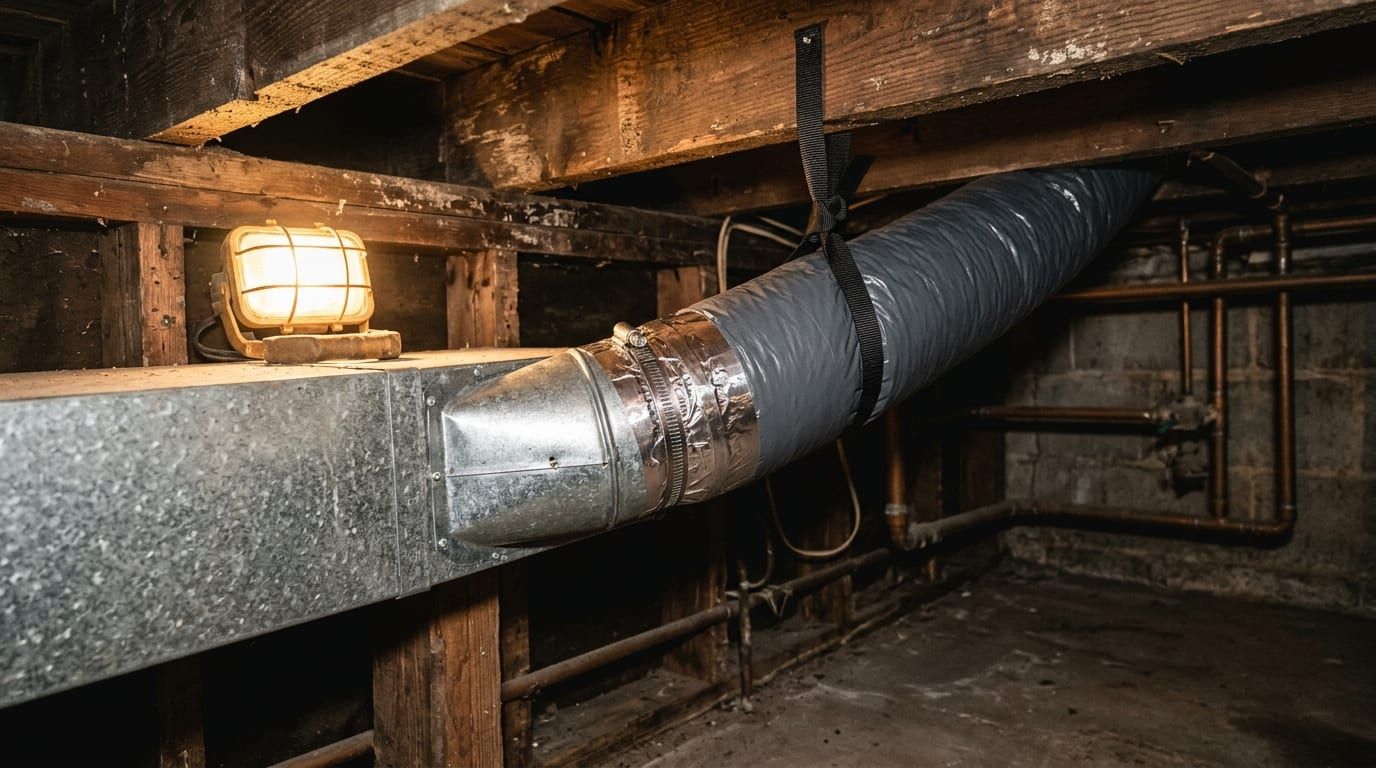
The honest answer
Air duct cleaning earns its cost in a handful of specific, checkable situations — not on a fixed schedule for a system that’s simply doing its job. It’s worth paying for after a renovation that ran plaster or sawdust through the ductwork for months, where rodents, insects, or nesting material have actually turned up inside the runs, after a system sat wet following a flood or a slow leak, when a household is moving into a home from someone who smoked heavily indoors, or when debris — not ordinary dust — is visibly falling out of a register. Outside those five, no health authority that has studied the question claims routine cleaning does anything measurable, and the money is usually better spent elsewhere.
The five situations that actually justify it
Renovation is the one that comes up most often. A kitchen remodel or a new floor sends fine construction dust through every branch of a running system, and it keeps drifting back out of the registers for months after the crew has packed up. Rodents or nesting material inside the ductwork is the second, and it isn’t rare in a system that runs through a crawlspace, an attic, or a garage ceiling. A system that sat wet — after a flood, a burst pipe, or a slow roof leak nobody caught right away — is the third, because damp ductwork needs the debris addressed, not just dried out. Taking over a house from someone who smoked heavily indoors is the fourth. And the fifth is the simplest to spot yourself: actual debris, not household dust, coming out of a supply or return register.
- A recent renovation that ran dust through the system for weeks or months
- Rodents, insects, or nesting material confirmed inside the ductwork
- A system that sat wet after a flood or a slow, unnoticed leak
- Moving into a house from a previous heavy indoor smoker
- Visible debris, not ordinary dust, actually falling out of a register
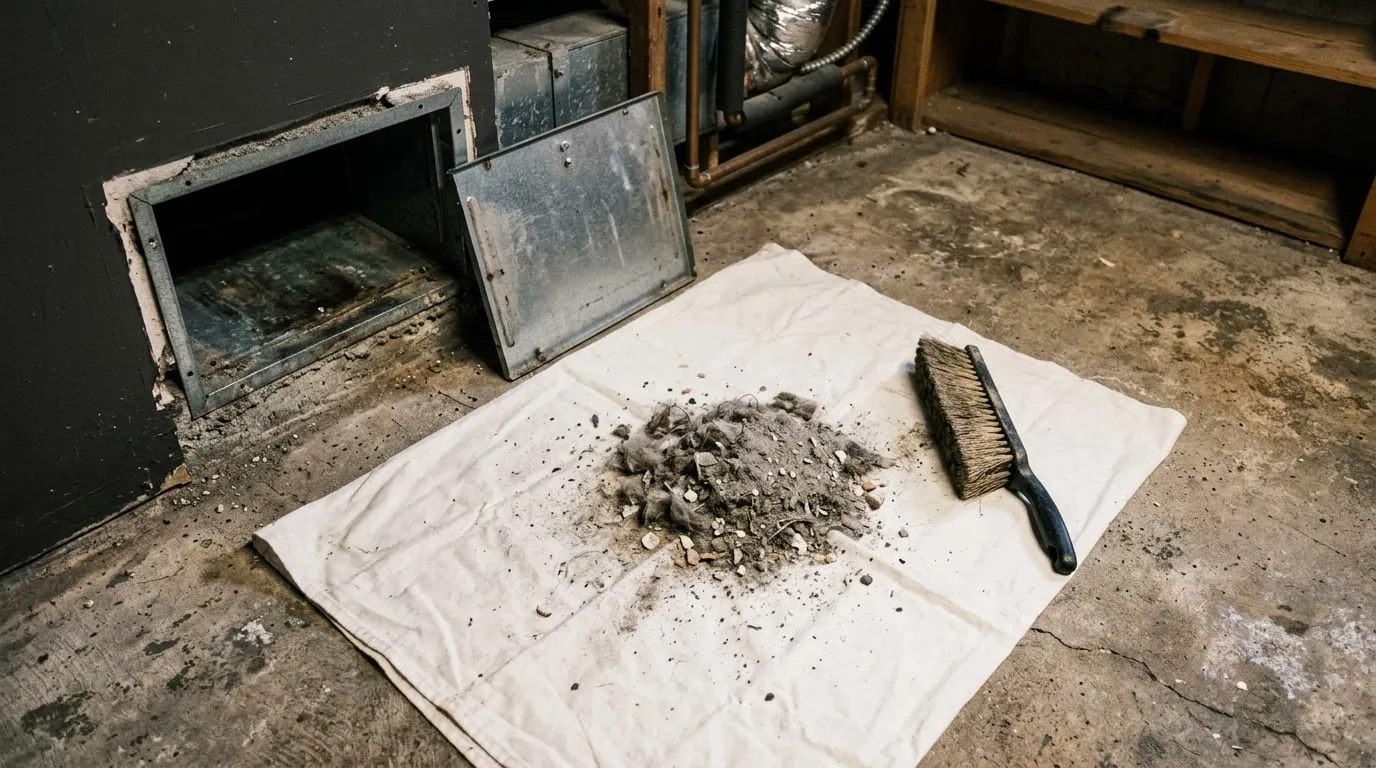
Why an otherwise normal system usually isn’t one of them
Outside those five situations, the case gets a lot weaker, and it’s worth saying so plainly. The environmental and public health bodies that have actually studied residential duct cleaning haven’t found that it lowers dust levels or improves health outcomes in an ordinary, working home. Most of what’s floating around a house comes from the people, pets, and cooking inside it — and from outdoor air coming in — rather than from the inside of the ductwork itself. If the system is running fine, the filter gets changed on schedule, and nothing has been renovated or nested in, a cleaning is unlikely to change anything you’d notice. In a lot of houses, a better filter or sealing the duct leaks that are quietly running up the heating bill does more for the air and the wallet than a cleaning would.
What an honest visit actually looks like
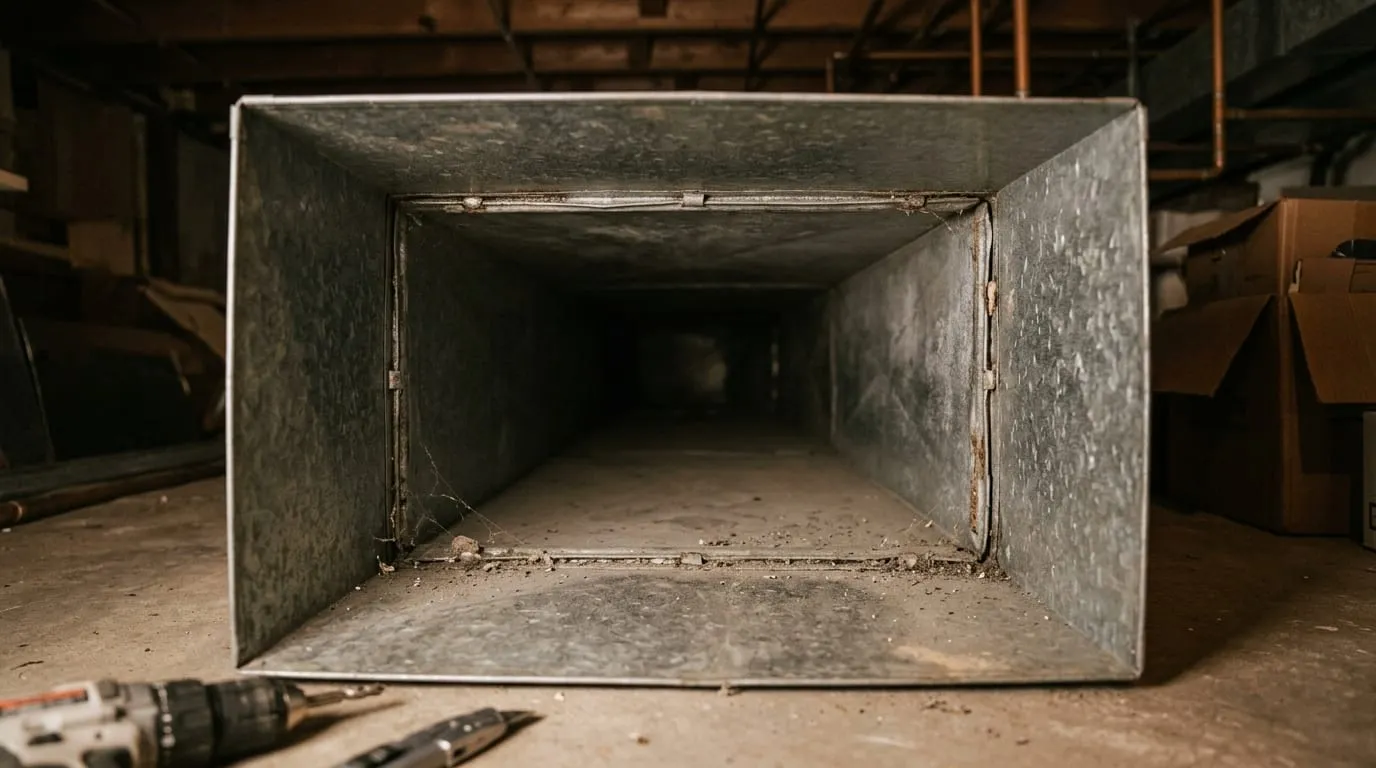
Ask whoever comes out to open the main trunk and a couple of branch runs and photograph what’s actually inside before quoting anything, and ask to see those photographs. That single request changes the whole conversation, because the pictures show the same thing to a working system as they do to a dirty one — there’s simply nothing left for an unneeded recommendation to hide behind. If what comes back is a stock photo or somebody else’s ductwork entirely, that tells you what you need to know. Telling a homeowner their system doesn’t need the work is a normal, ordinary outcome of an honest look, not a failure of one — and it’s the reason the households that hear it tend to call back the next time something actually is wrong.
When the real problem is damage, not dust
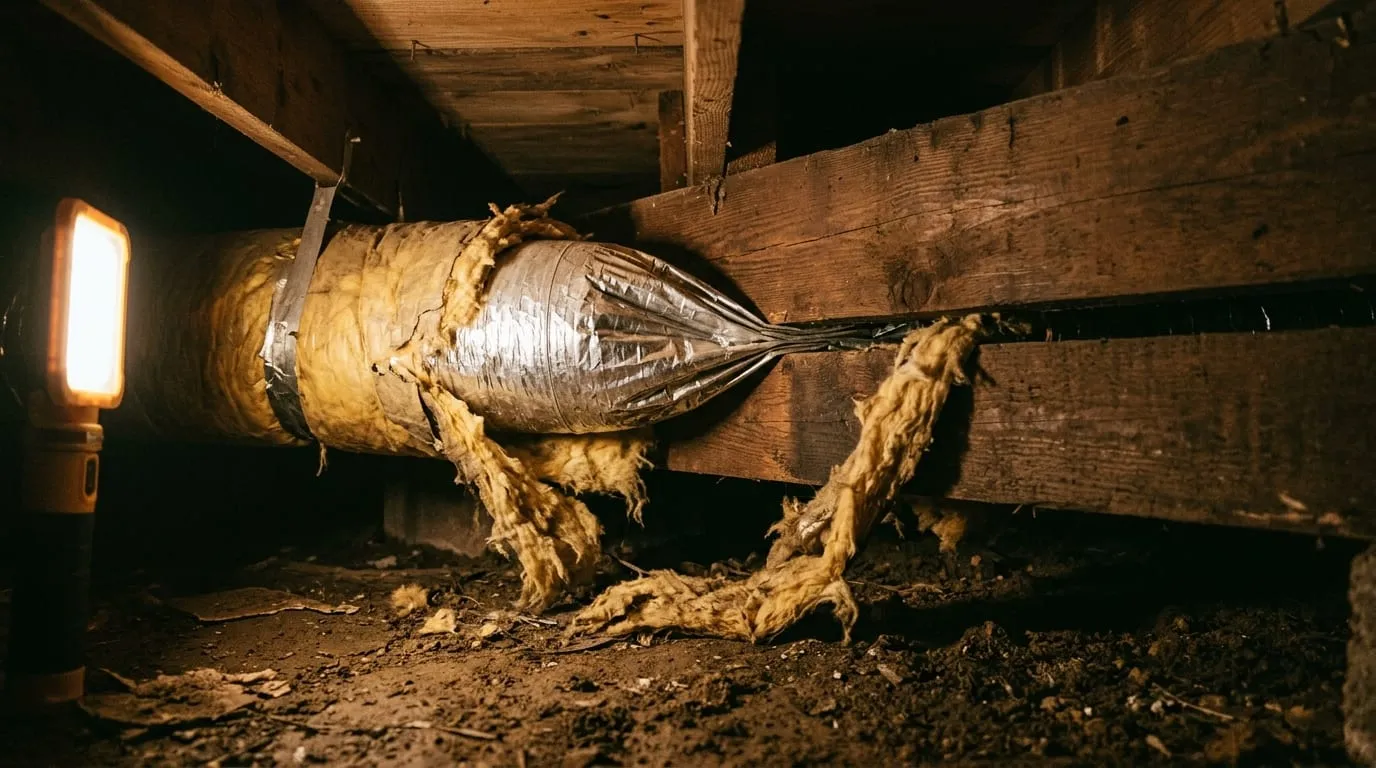
A fair share of what gets sold as a cleaning is actually a repair nobody mentioned. A flexible run crushed flat where it crosses a floor joist, a branch that’s worked loose from its metal takeoff and is now heating a joist bay instead of a bedroom, or a joint that was wrapped in cloth tape years ago and has since dried out and let go — none of that gets fixed by vacuuming the system out. Cherry Hill Township’s own housing runs old for the county: a median year built of 1968, with close to three-quarters of the stock up before 1980, and forced-air ductwork in houses that age was often threaded through whatever the joists and an old chimney chase allowed rather than laid out fresh. That’s exactly the setup where a run sags, a joint separates, or a branch works loose over a few decades — and cleaning a damaged duct doesn’t stop it from leaking or staying disconnected.
The one check you can actually do yourself
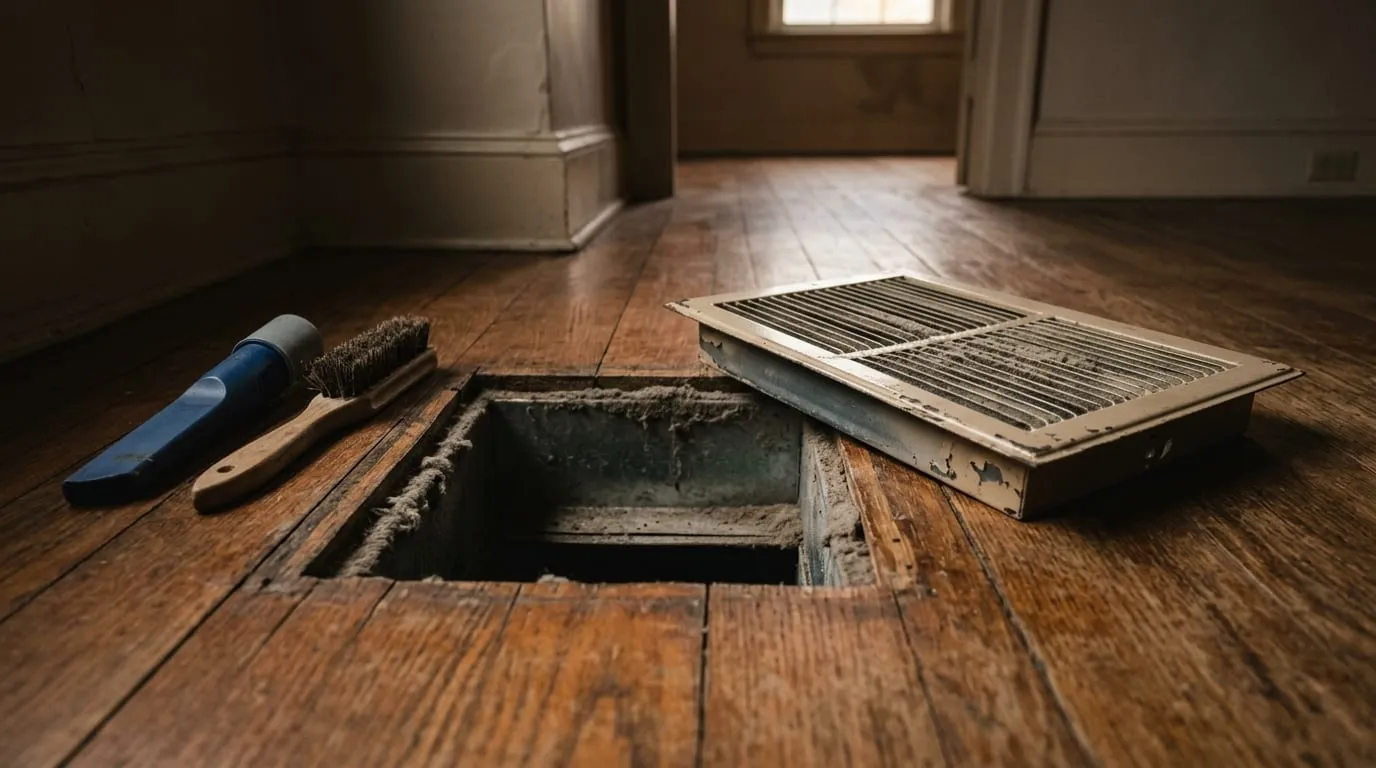
Pull a register cover and look before you call anyone. If what’s sitting on top of it is a fine layer of household dust, that’s normal — houses make dust, and a system moving air will always carry some of it past the grille. If what’s actually there looks like plaster crumbs, insulation fibers, or something that resembles nesting material, that’s one of the five situations above and a real reason to have someone come look. It takes about a minute, it costs nothing, and it will usually tell you which conversation you’re about to have before you’ve had it.
Air duct cleaning questions, answered honestly
How do I know if my air ducts actually need cleaning?
Look first: pull a register cover and check what’s collecting on it. Actual debris — construction dust after a renovation, anything that looks like nesting material, residue from a heavy indoor smoker, or a system that sat wet after a flood — is a real reason to have it looked at. Ordinary household dust on an otherwise working system usually isn’t.
Does duct cleaning improve air quality or help with allergies?
Not reliably, and not in the way it’s often advertised. The bodies that study residential duct cleaning haven’t found that it lowers dust levels or improves health outcomes in a normal, working home, because most household dust comes from people, pets, cooking, and outdoor air rather than from inside the ductwork. A better filter, changed on schedule, or sealing leaky duct joints usually does more.
Is air duct cleaning the same job as dryer vent cleaning?
No — they’re different systems doing different jobs. Dryer vent cleaning clears lint out of the run between the machine and the outside hood, and that one carries a genuine fire-safety argument behind it. Air duct cleaning concerns the ductwork that moves heated or cooled air through the house, and it earns its cost in a narrower set of situations.
What should I ask before agreeing to have my ducts cleaned?
Ask to see the system opened and photographed before anything gets quoted. A working system shows up in those pictures exactly as clearly as a genuinely dirty one does, so there’s nothing left for an unnecessary recommendation to hide behind once you’ve asked for that. If the answer is that your system doesn’t need the work, that’s a legitimate outcome, not a sales pitch gone wrong.
Not sure which one your house needs?
This page is general information, not a look at your ductwork. If you’re seeing actual debris at a register, just finished a renovation, or you’re not sure which of the five situations applies, tell us what you’re seeing and we’ll say plainly whether it’s worth a visit.
Where this fits
Air Duct Cleaning
The service this article is about — what a visit actually involves, and the same five situations laid out in full.
See the serviceDryer Vent Cleaning
A different run with a genuine safety argument behind it — lint cleared from the machine to the outside hood, not just the trap.
See the service