
Level 1 and Level 2 chimney inspections in Cherry Hill, NJ
A Level 1 inspection looks at everything you can readily see and reach on a chimney whose use has not changed. A Level 2 adds a video scan of the entire flue, which is what the industry standard calls for at a sale, after a fuel or appliance change and after a chimney fire. Either way you get a written report.
The two levels at a glance
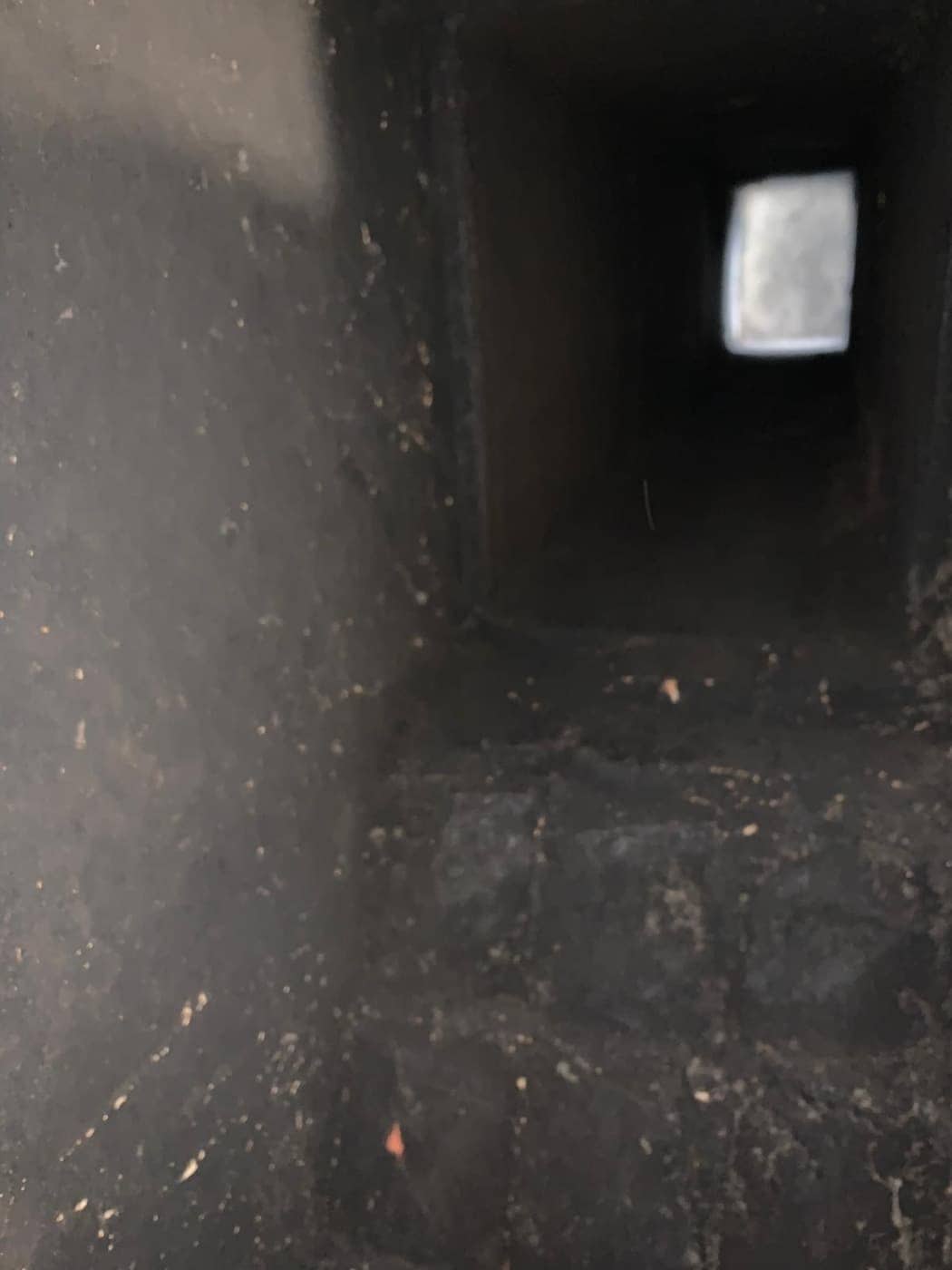
Level 1 is the yearly check for a chimney whose appliance, fuel and use are the same as last year. It covers the parts you can reach without opening anything, the crown, the damper, the connections and any visible cracks or creosote. Level 2 adds a camera scan of the whole flue, including the sections hidden in walls and the attic. NFPA 211 calls for a Level 2 when a home is sold, when the fuel or appliance changes and after a chimney fire or other damage. Both levels end with a written report and photos.
What a Level 1 inspection covers
For most homes whose chimney is used the same way year after year, a Level 1 is the right yearly check. We look at the readily accessible parts of the system, the firebox, the damper, the smoke chamber and as much of the flue as a light and mirror can show from the bottom and the top, and we look for creosote, soot, cracks and correct clearance to anything that can burn. Nothing is opened and the camera does not go in. That is the job of a Level 2.
- Firebox, damper and smoke chamber
- Visible creosote or soot
- The flue lining as far as it can be seen from the firebox and the roof
- Basic clearance to the framing around the chimney
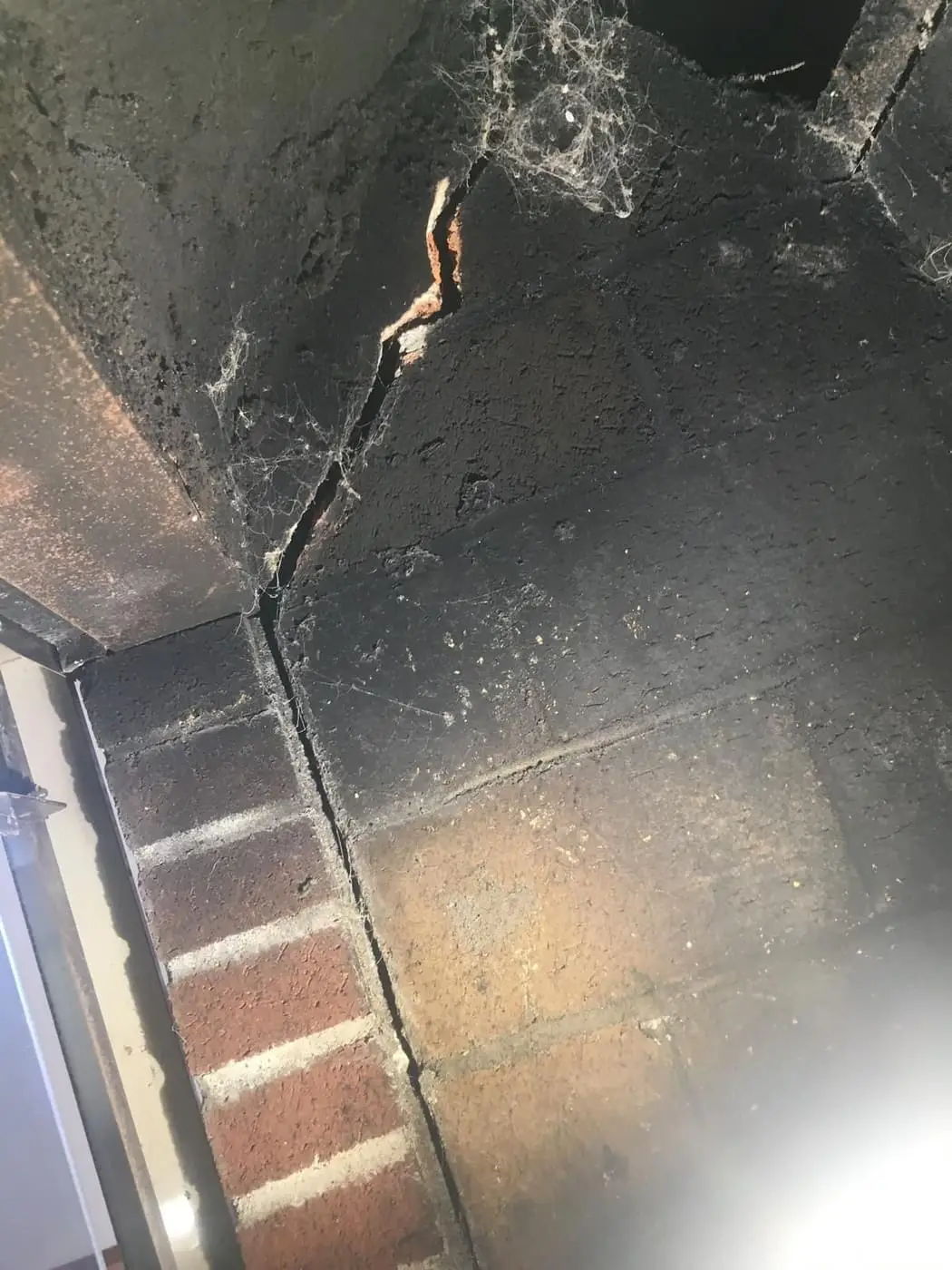
A buyer or a home inspector will want more than our word that it looked fine. A written report gives them that.
What a Level 2 adds
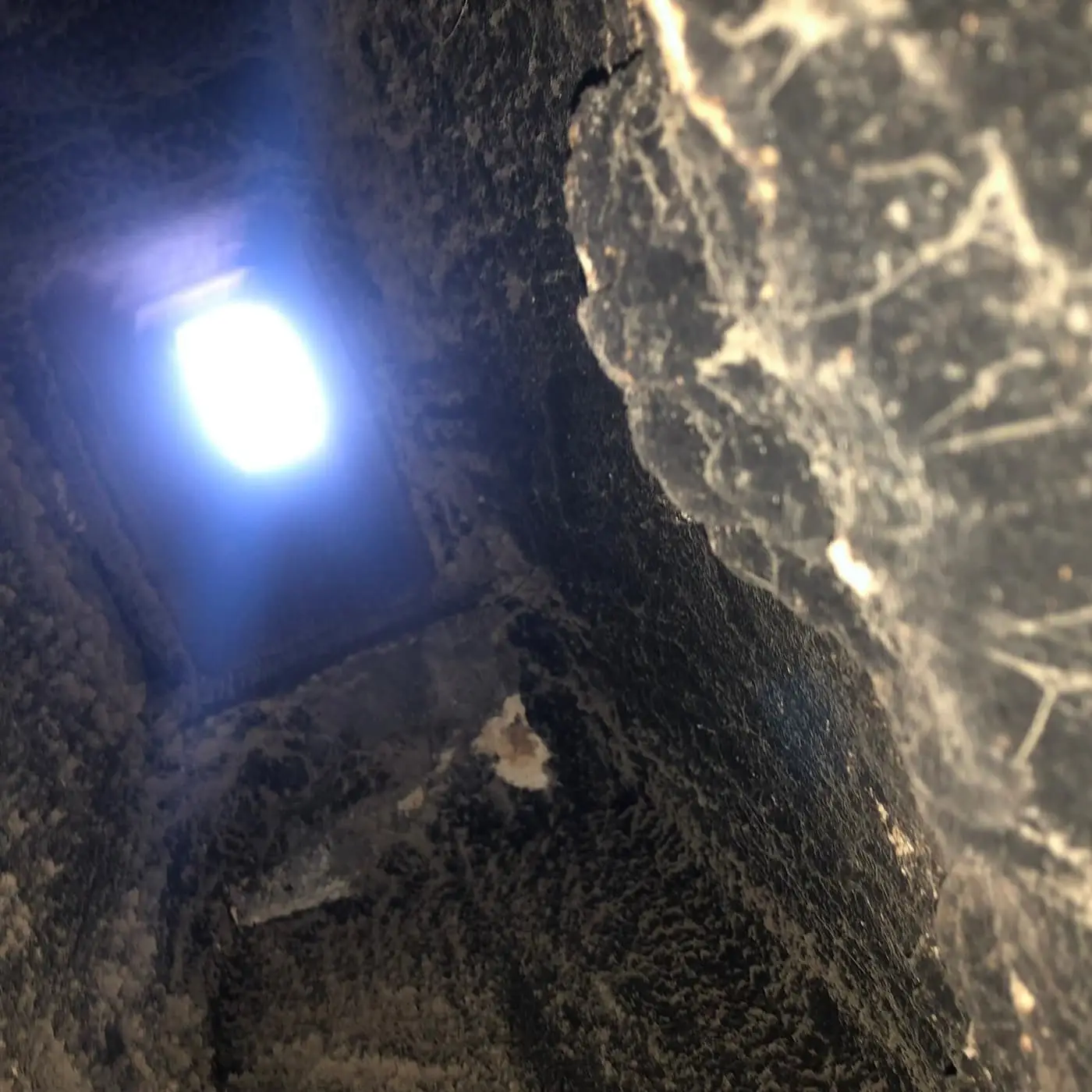
A Level 2 sends a camera through the full length of the flue, past what any light can reach, through the attic and behind walls. Buyers and their inspectors ask for it before a house changes hands, and it belongs in the plan before a heating appliance or fuel is changed. A crack in a crown can be spotted from the roof during a Level 1. The Level 2 shows what that crack has let into the flue below.
Three moments that call for a Level 2
Most Level 2 inspections we do come back to one of three moments, the same ones the NFPA 211 standard lists. The first is a sale, when the buyer wants to know what is inside the chimney. New Jersey also requires a smoke alarm, carbon monoxide alarm and fire extinguisher certificate before a sale, though that certificate is not a chimney inspection. The second is a change of fuel or appliance, since a flue sized for an old oil boiler may be wrong for a new gas one, and the installer has to sign the state chimney verification. The third is a chimney fire or any other event that may have damaged the flue.
- Buying or selling the house
- Changing the fuel or replacing the heating appliance
- After a chimney fire or other damage
The codes behind an inspection
New Jersey builds its one and two family dwelling code on the International Residential Code, where chimney and fireplace requirements sit in their own chapter and dryer exhaust rules in another. When an inspection leads to a new boiler, furnace or water heater, the contractor who installs it must sign the state chimney verification confirming the flue is lined and sized for the new appliance. The state does not accept that verification from a homeowner.
Inside a chimney
The four parts an inspection starts with
A masonry chimney in four pieces, from where the rain lands to where the smoke leaves.
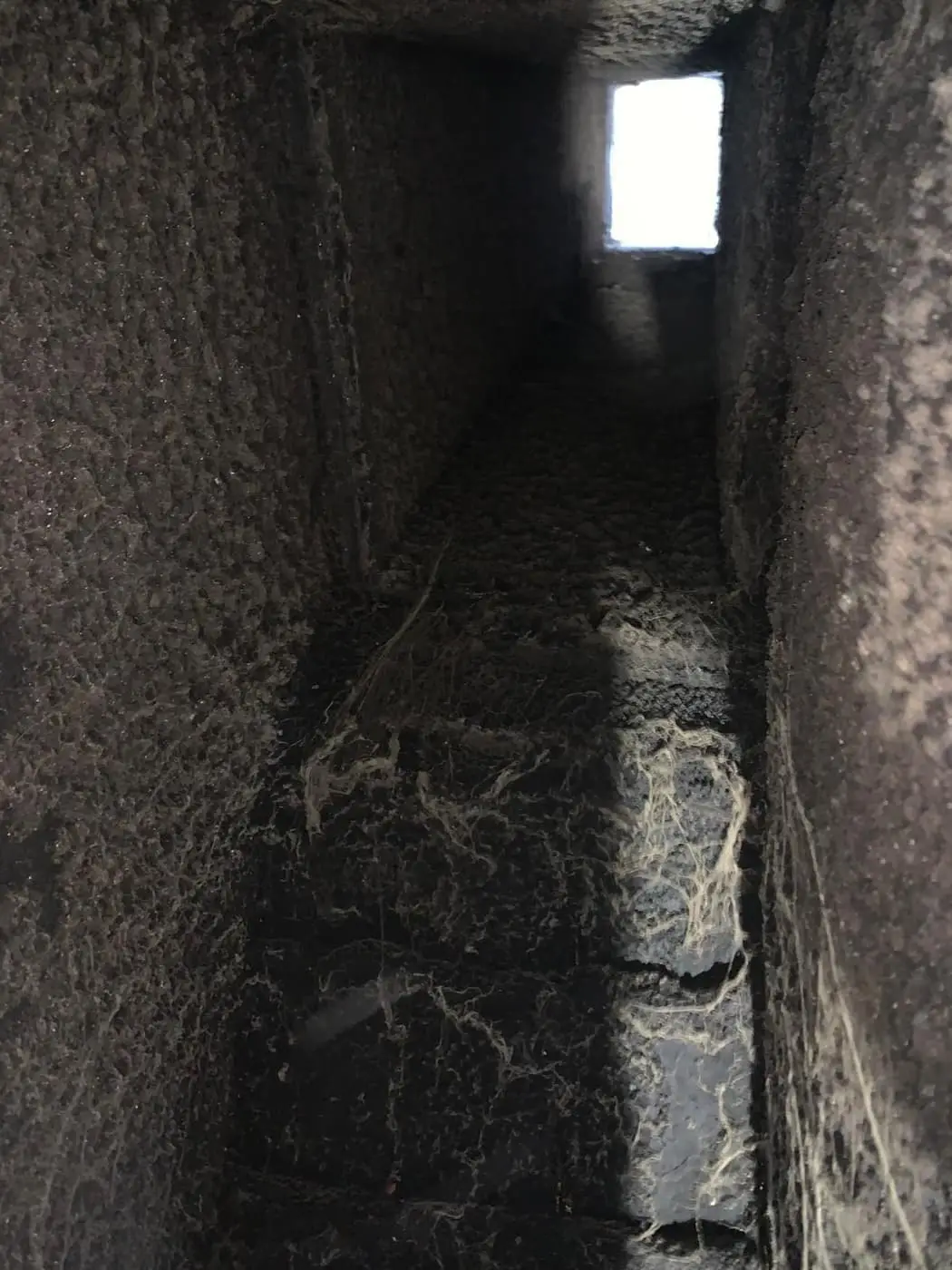
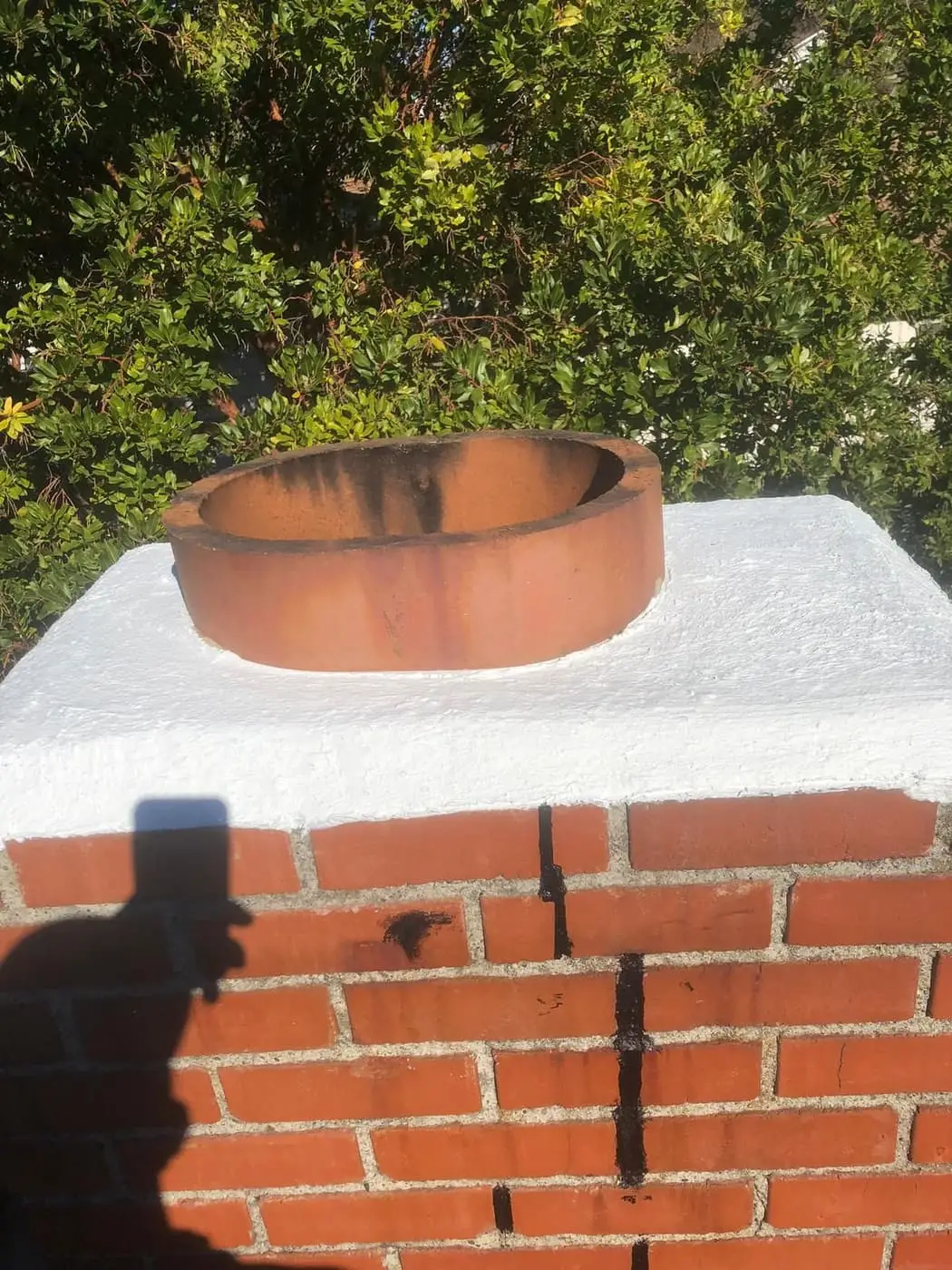
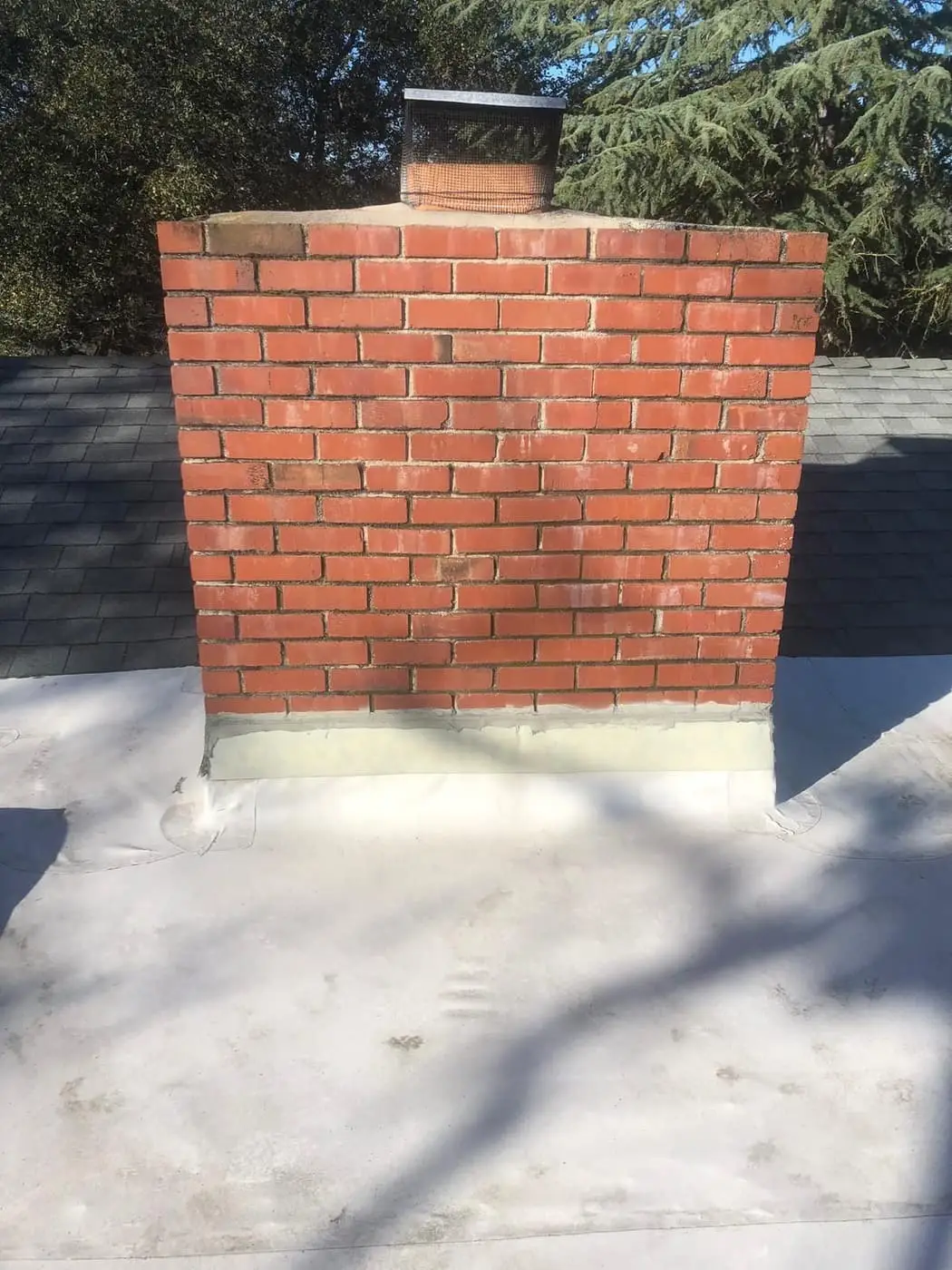
- Crown
- The sloped concrete top over the brick that sends rain away from the flue.
- Cap
- The mesh-sided hood over the flue that keeps out rain, birds and debris.
- Flashing
- Metal strips sealing the gap between the chimney and the roof shingles.
- Liner
- The tile or metal passage inside the brick that carries smoke out of the house.
From Royal Chimney's Google listings
Chimney parts an inspection examines
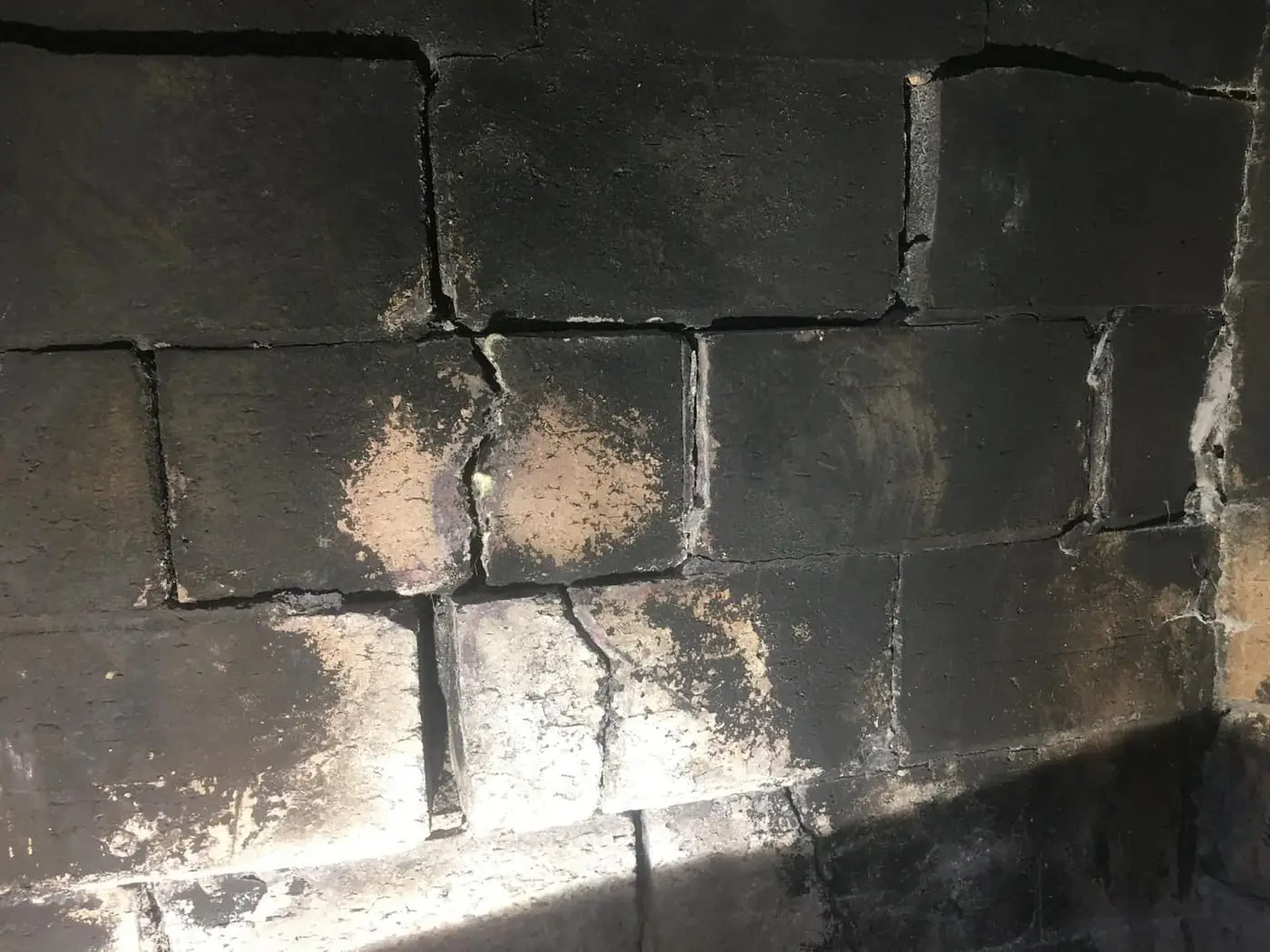
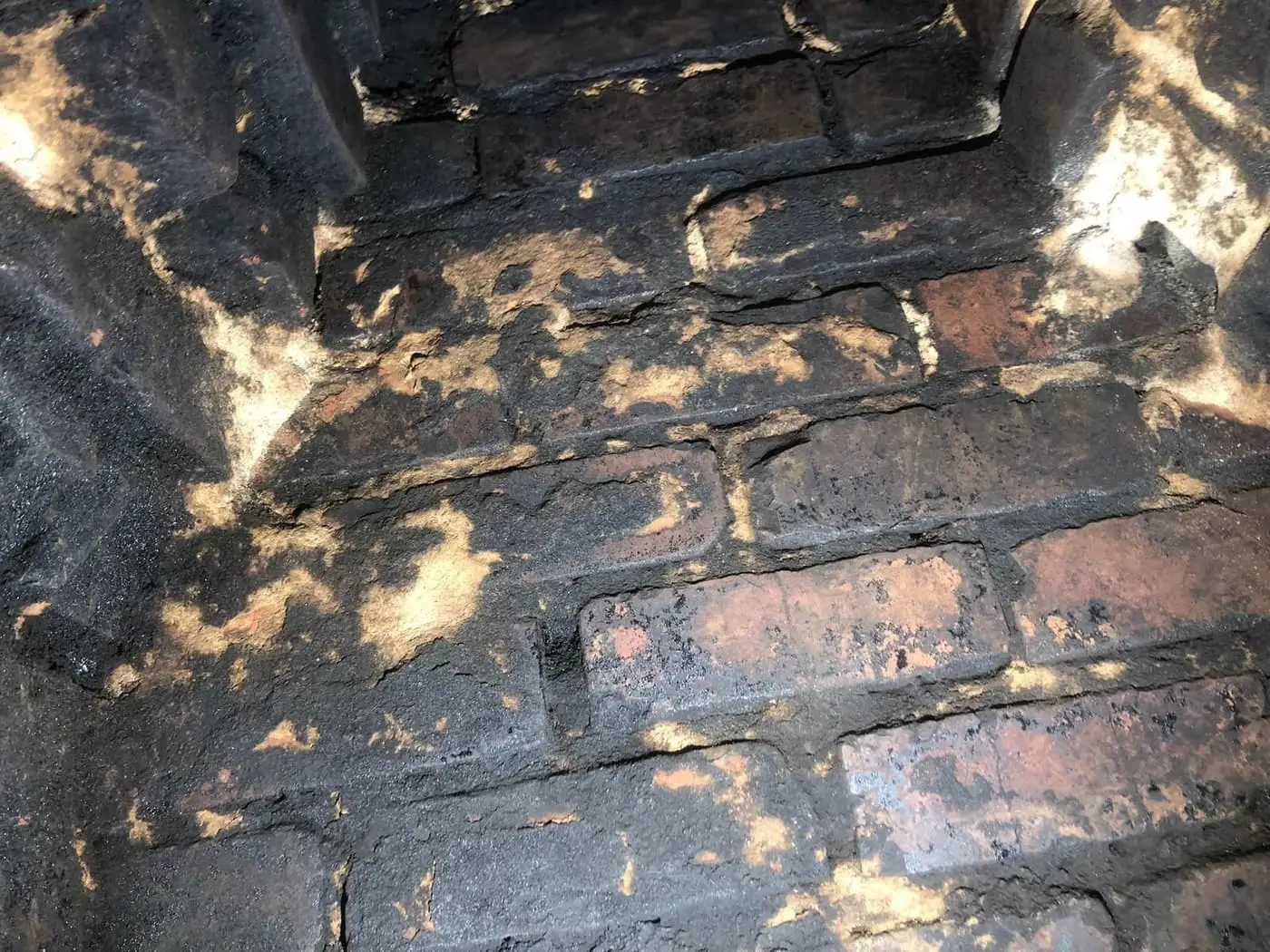
Cracked, soot-stained firebrick inside a fireplace
Shiny black creosote coating the brick inside a chimney
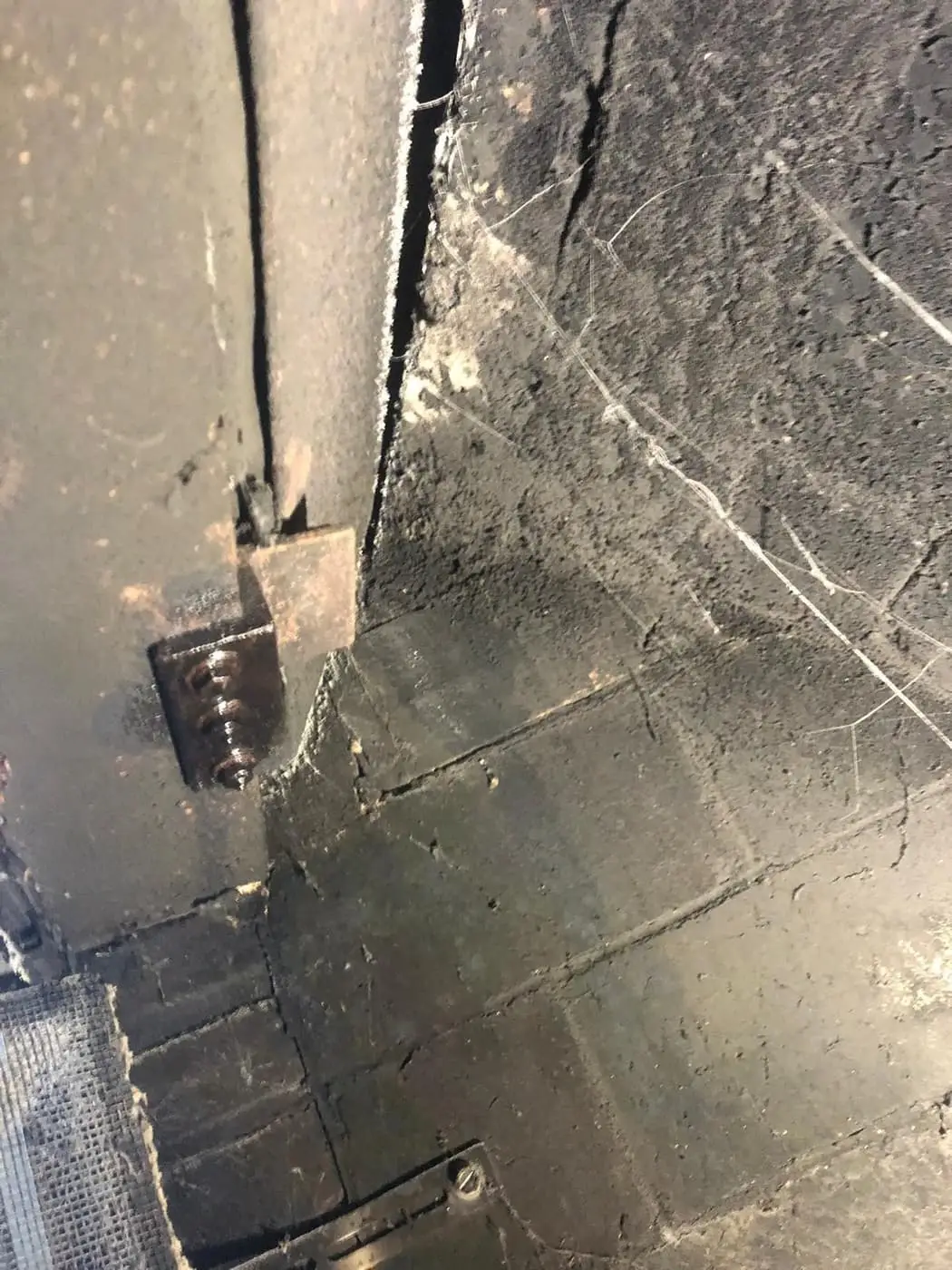
A crack in sooty masonry next to a metal fireplace frame
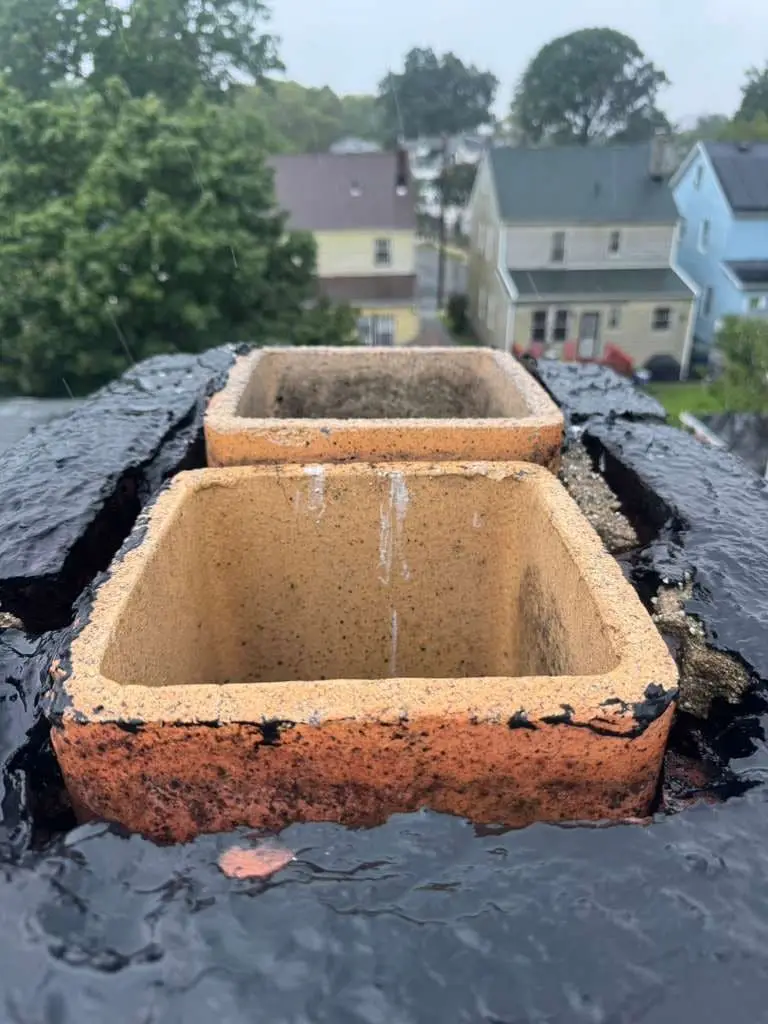
Two clay flue tiles on a freshly coated chimney top
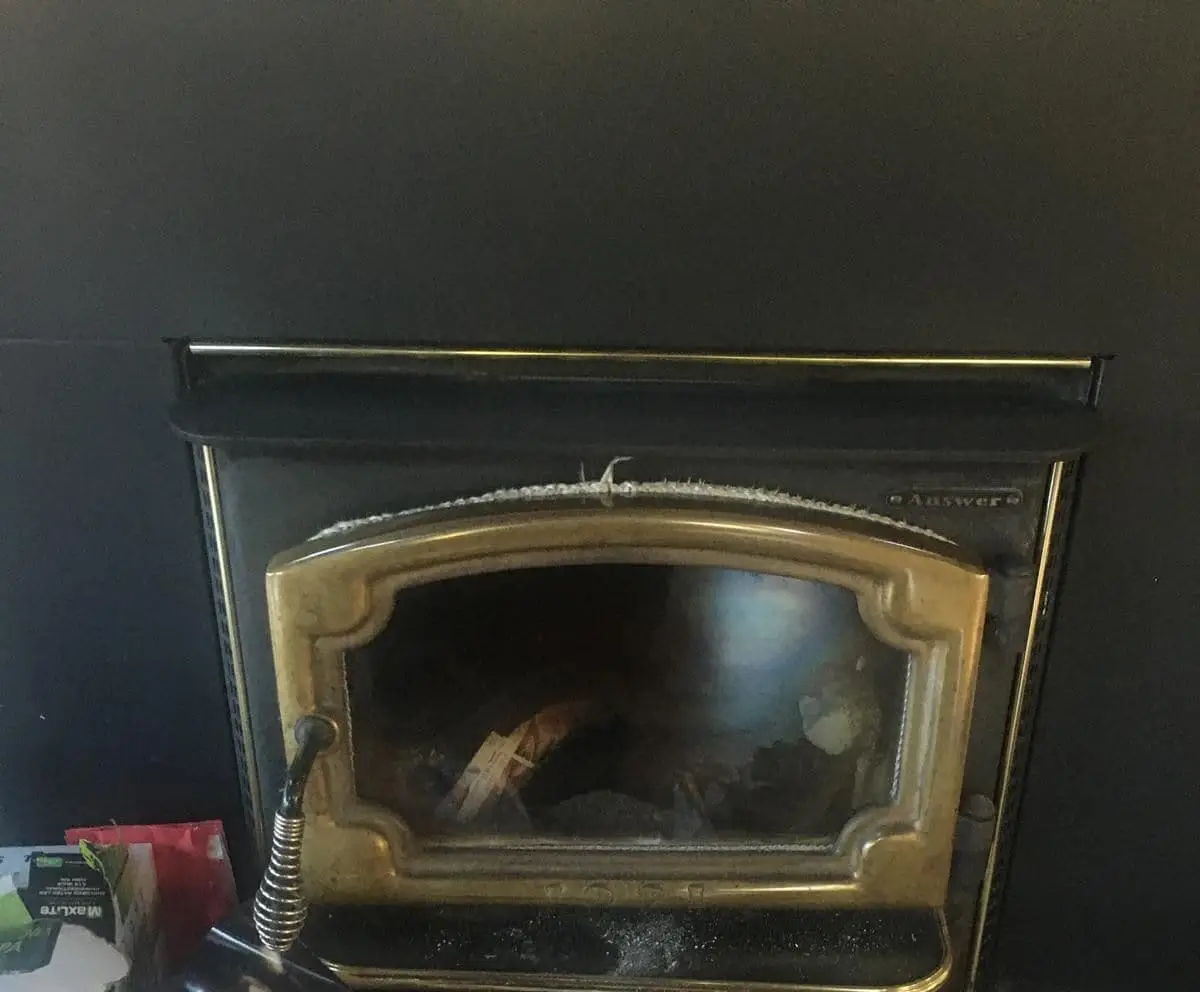
A fireplace insert with a gold-trimmed glass door
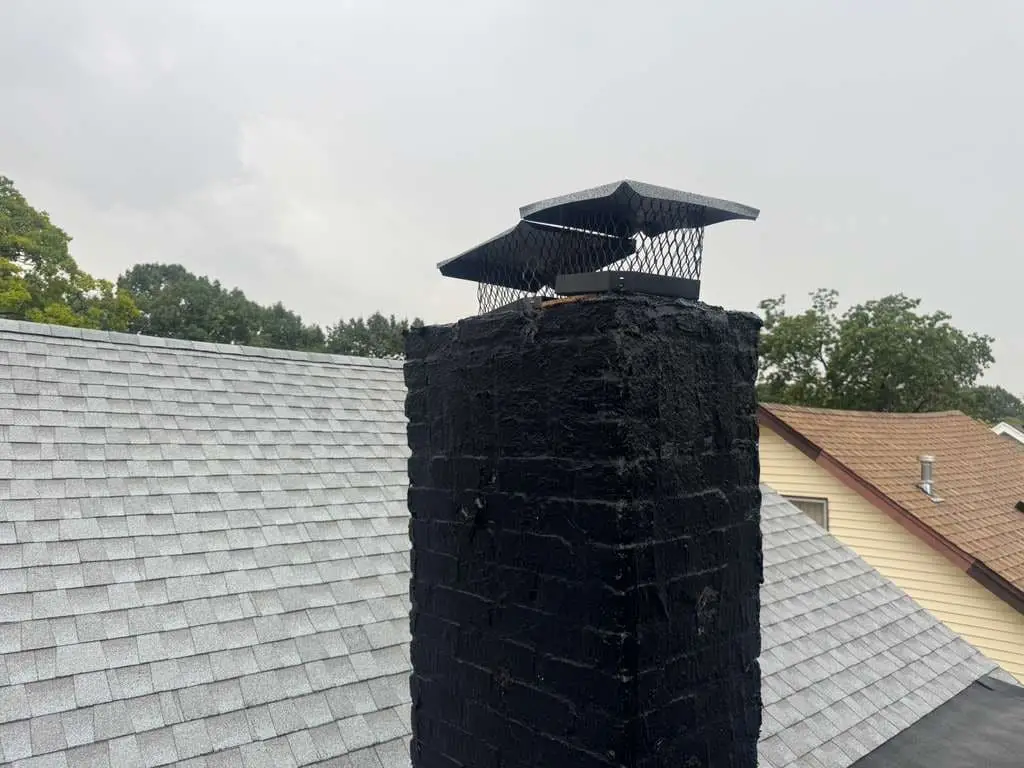
A mesh cap on a brick chimney coated black
Reviews from our Google listing
A selection of our 5-star reviews on Google.
Polishing the ceramic glass and unblocking the air-wash intake passages turned our heavily used woodstove back into an effective heat source.
Static-cling barriers locked the aperture tight, so that high soot agitation inside the top flue never wandered into the next-door kitchen.
The entire sweep was completed with engineering precision and purity never before witnessed from meticulous pre-setup to HD inside camera feature.
Chimney inspection questions
What is the difference between a Level 1 and a Level 2 inspection?
A Level 1 covers the readily accessible parts, the firebox, the damper, the smoke chamber and what a light shows of the flue. A Level 2 adds a camera scan of the entire flue, including the hidden sections, and it is the level the industry standard calls for at a sale, after a fuel or appliance change and after a chimney fire.
Is a chimney inspection required to sell a house in New Jersey?
What the law requires before a sale is a smoke alarm, carbon monoxide alarm and fire extinguisher certificate. A chimney inspection is not on that list, yet buyers and their agents often ask for a written one, and NFPA 211 recommends a Level 2 when a home changes hands.
We are switching from oil to gas. Should the chimney be inspected first?
Yes. A flue built for an oil boiler is not automatically right for gas. The contractor installing the new equipment must sign the state chimney verification, and an inspection beforehand shows whether a liner is needed.
How often should a chimney be inspected when nothing has changed?
Once a year, whether or not you use it much. That is what NFPA 211 recommends, and a Level 1 covers it.