
Chimney sweeping in Cherry Hill, NJ, starting with a camera
We look before we brush. A camera goes down your flue first and the picture comes up on a screen beside you, so you see the creosote, the damper or the cracked tile for yourself. Then rods, brushes and a HEPA vacuum sealed to the firebox do the cleaning, and the before and after photos are yours.
Our everyday chimney service
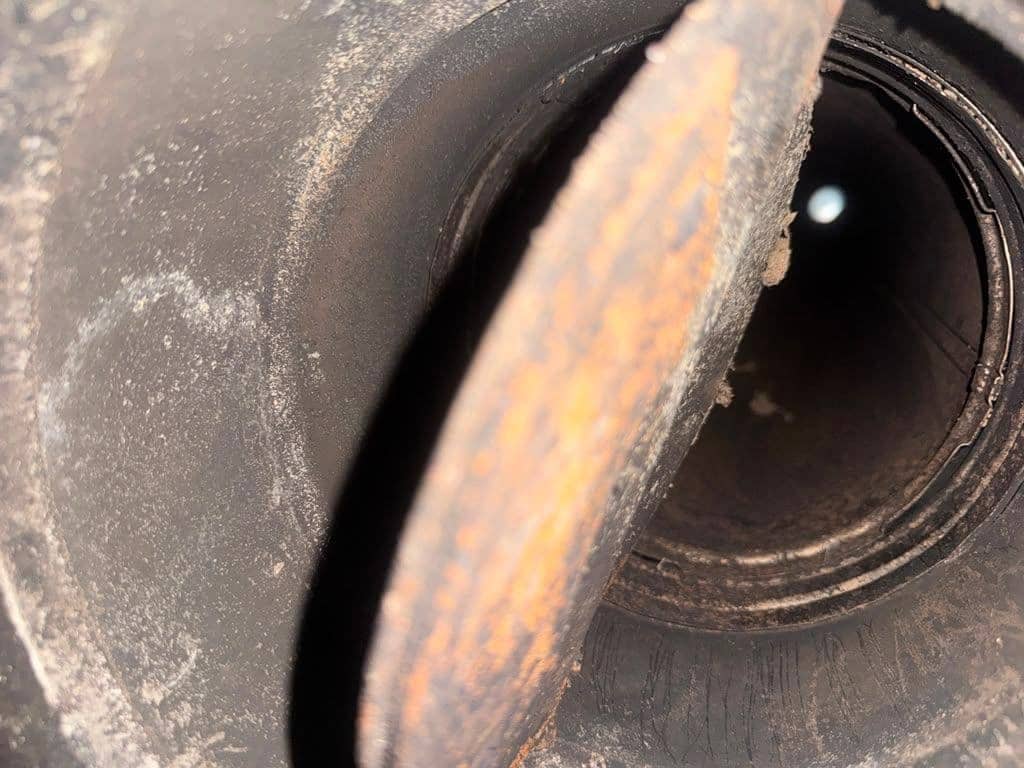
Every sweep begins with a look down the flue. The camera feed goes to a monitor where you can watch it with us, and only after we both know what is in there do we choose the brushes, sized for a wood, oil or gas flue. While we brush, a HEPA vacuum stays sealed to the firebox opening and catches what falls. NFPA 211, the national chimney standard, recommends an inspection every year, because the deposits that lead to a chimney fire are usually out of sight from the room.
What turns up on camera
Plenty of flues have gone years without anyone looking inside, so the first camera pass usually finds something worth knowing, such as creosote on the walls, a damper that no longer closes all the way, or a cracked tile that can be fixed while it is still small. That matters for gas flues too. Around Cherry Hill most homes switched to gas long ago, and a gas appliance venting into a flue built for coal or oil can leave moisture and loose mortar behind. You see whatever the camera finds on the screen before we touch anything.
- How much creosote is on the flue walls
- Whether the damper opens and closes fully
- Cracked or missing flue tile
- Nests, debris and damaged liner sections
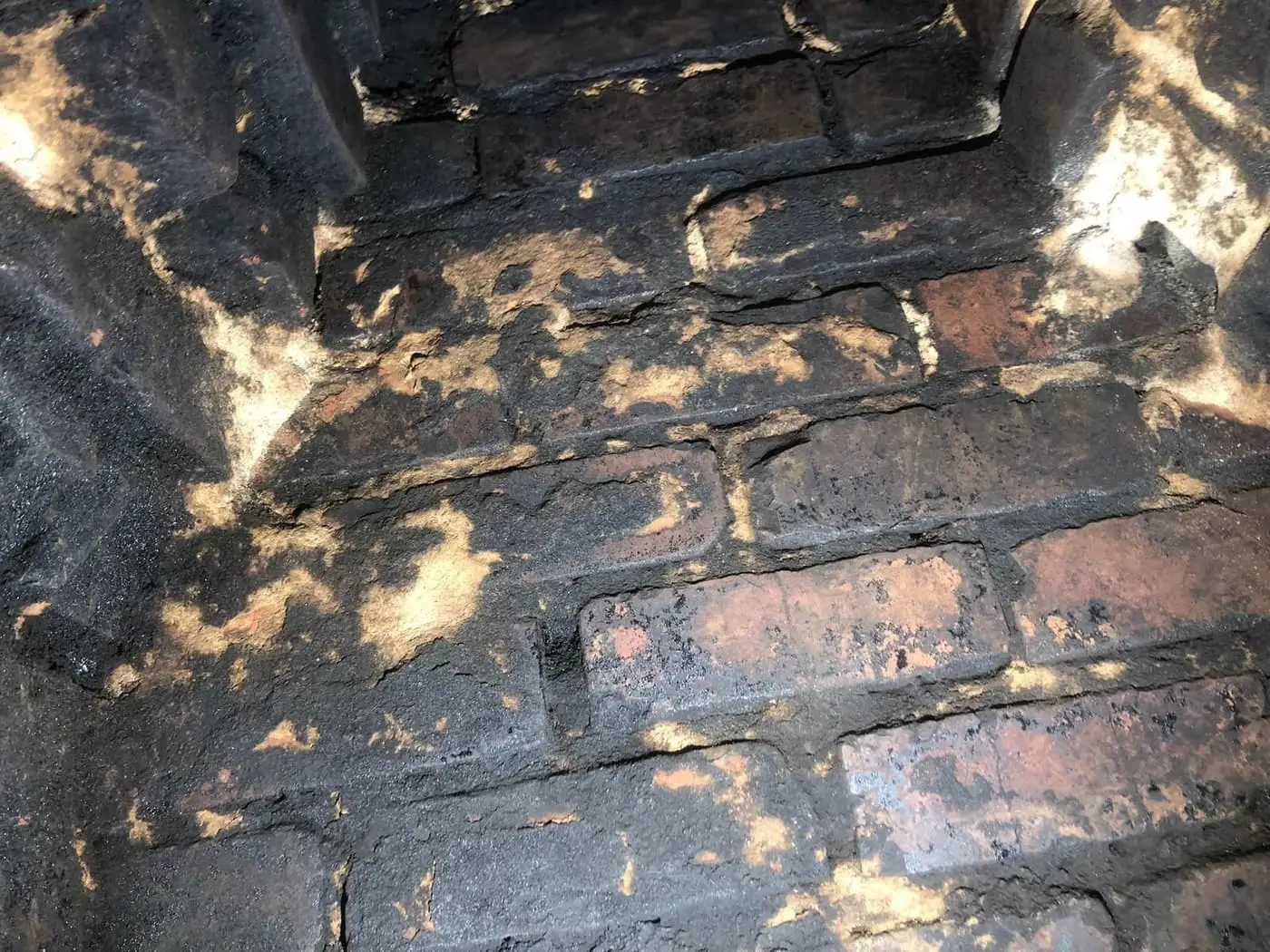
We put the camera feed on a screen so you watch the flue with us before any brush goes in.
Clean brushing with the vacuum running
When we know what is inside, we brush from the firebox upward with rods and heads sized to your flue. The HEPA vacuum stays connected and sealed to the firebox opening from start to finish, so loosened soot goes into the vacuum and not onto your mantel or floor. Drop cloths cover the hearth and the furniture nearby before the first brush goes in, and they stay down until the vacuum is switched off.
Wood, oil and gas flues around Camden County
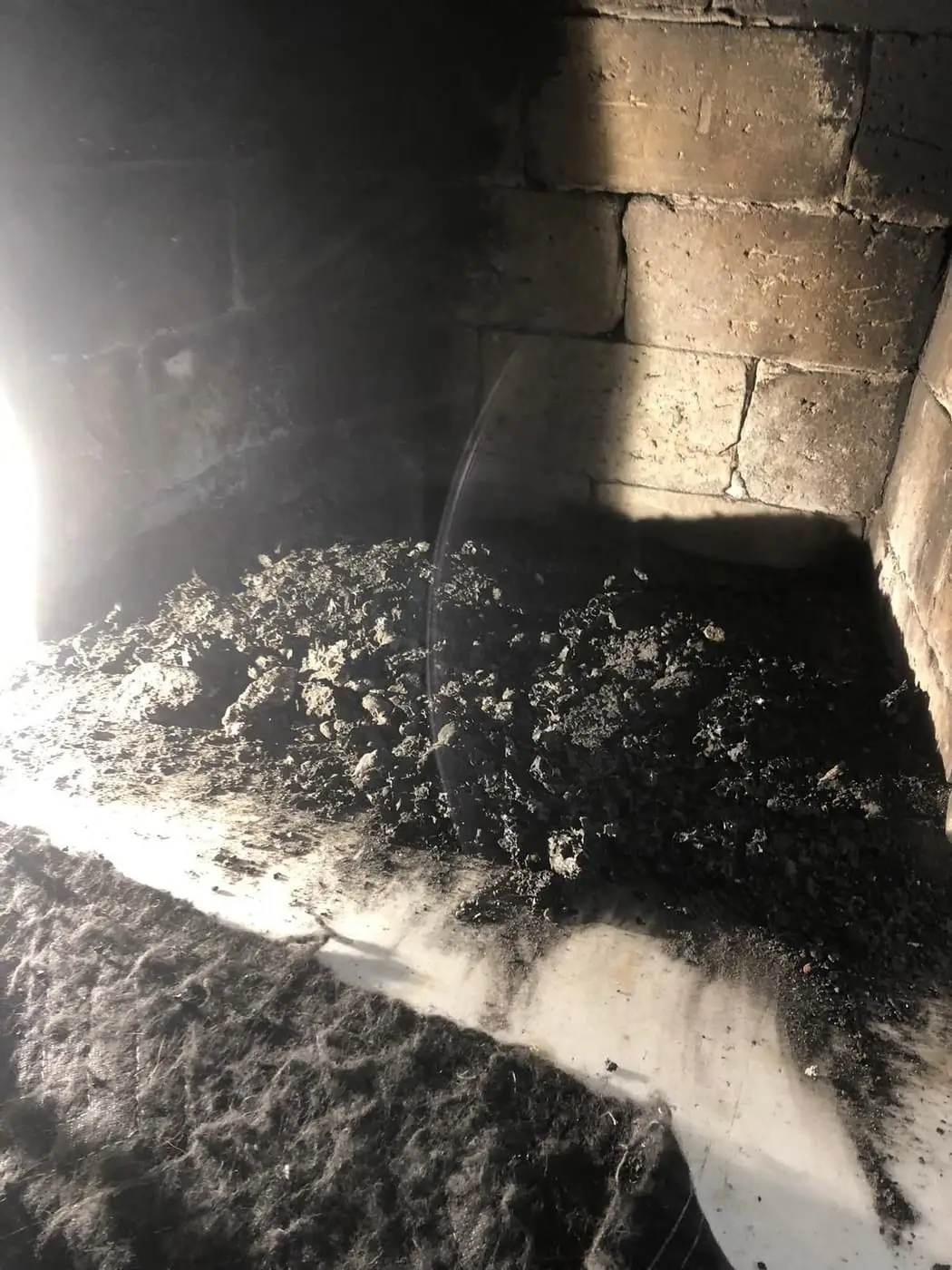
Most Camden County homes heat with gas, but the fireplaces, stoves and furnaces we sweep still burn a mix of fuels, and many houses have changed fuel at least once. In Cherry Hill about one home in five is a townhouse or sits in a larger condo or apartment building, where a flue may share a chase with the unit next door. Whatever your fireplace or furnace burns, the sweep covers the same ground.
- Wood fireplaces and inserts, brushed back to the clean flue
- Oil flues, checked for acidic scale
- Gas vents, checked for blockage and draft
- Shared chases in townhouses and condos
A form most homeowners never see
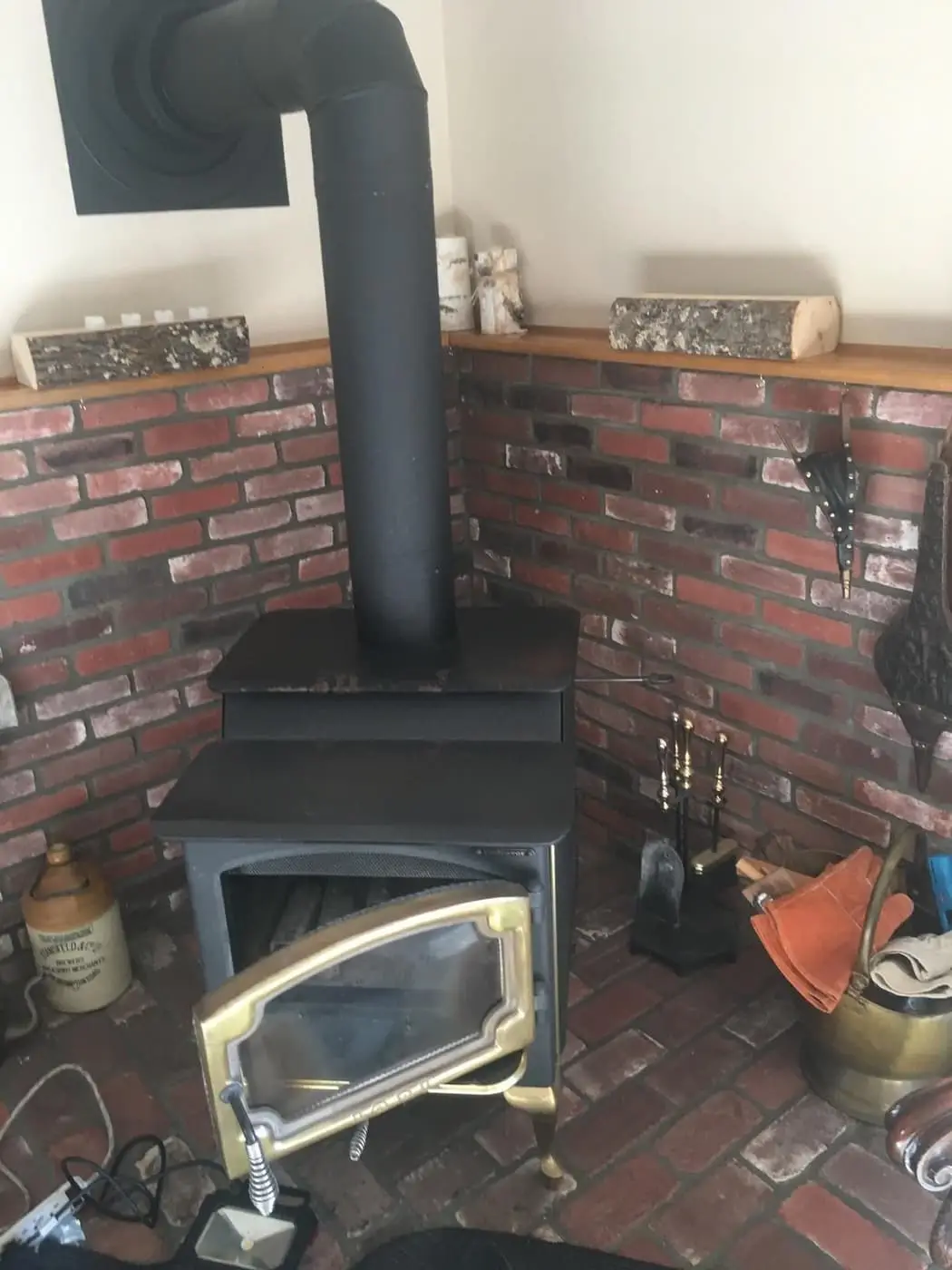
In New Jersey, when a furnace, boiler or water heater is replaced, the contractor installing it has to sign a chimney verification for the town, confirming among other things that the flue is clean of residue from what it vented before. That form goes straight into the permit file, and most homeowners never see it. A sweep before the replacement puts the flue in the condition the form describes, and the photos from our visit give you your own record of it.
From Royal Chimney's Google listings
Inside chimneys we have cleaned
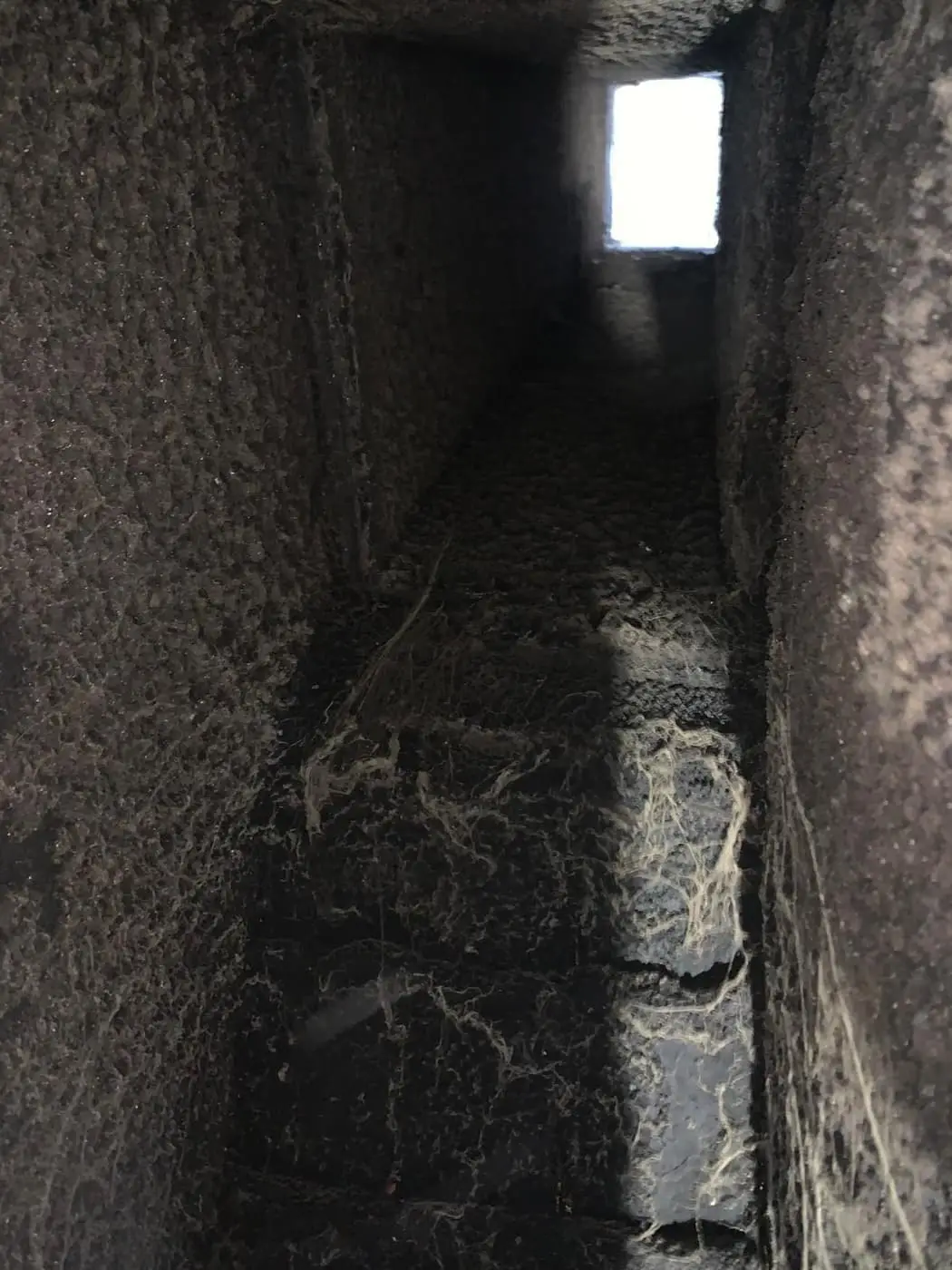
Looking up a sooty flue toward daylight at the top
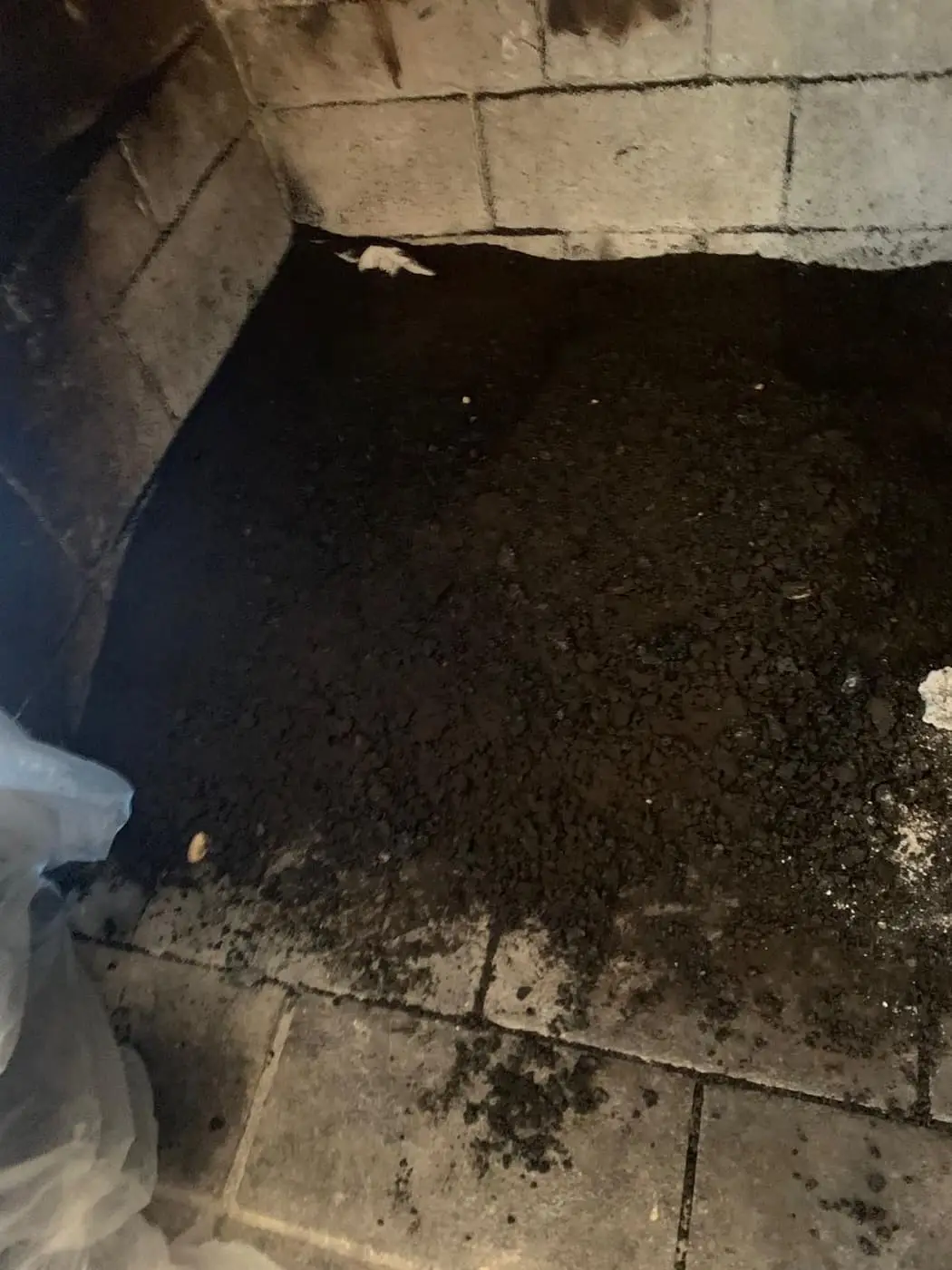
Fallen soot and debris in a firebox, with plastic over the opening
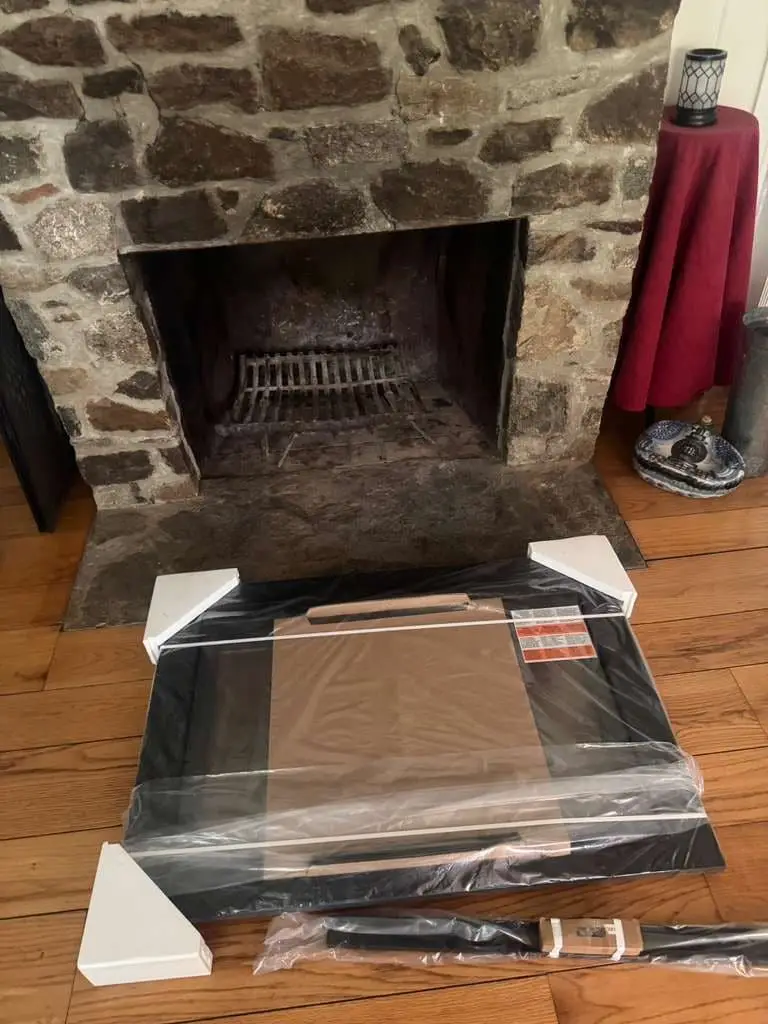
A fieldstone fireplace with a new glass door kit waiting in its box
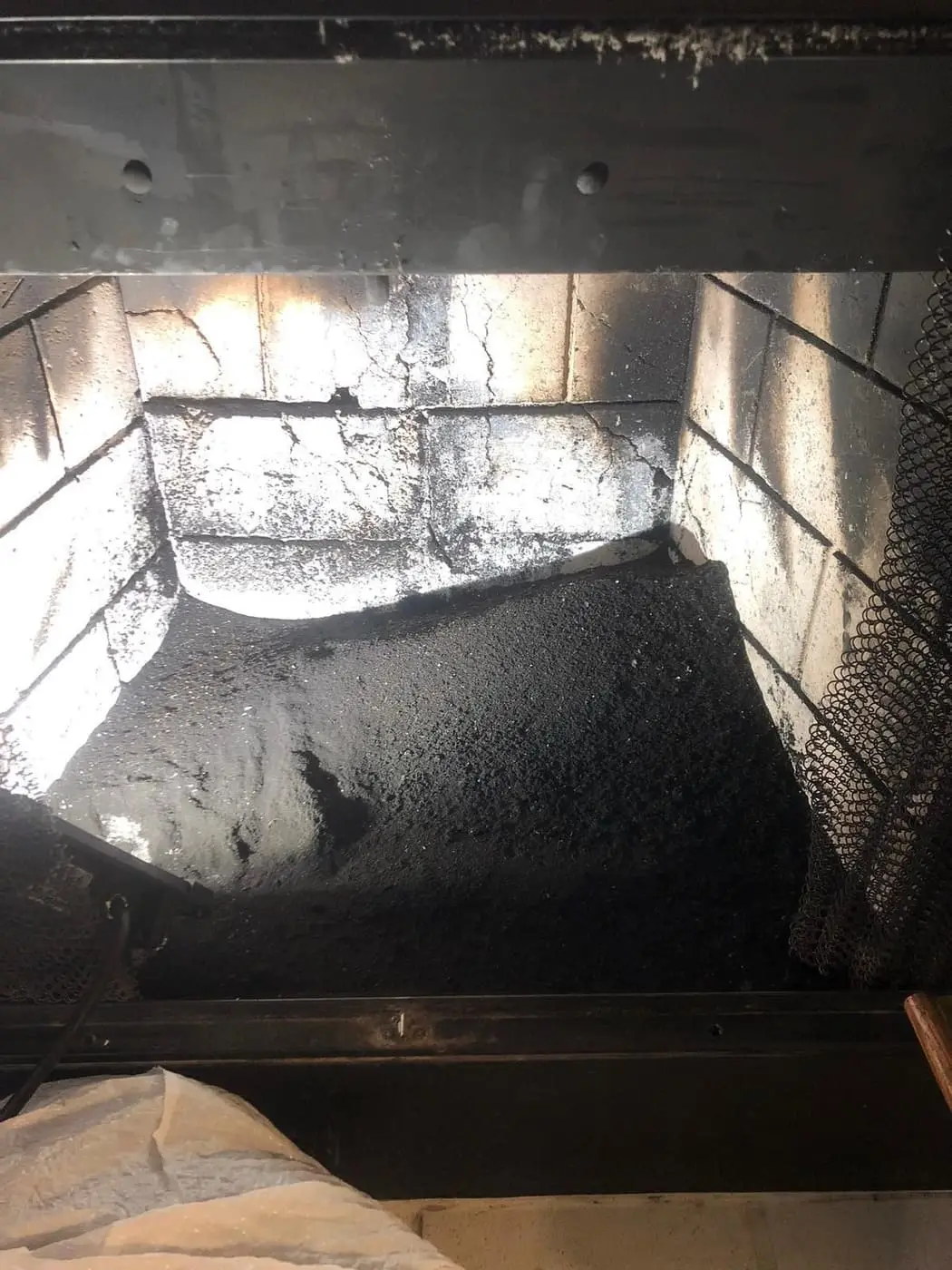
Soot gathered on the floor of a metal-framed fireplace
Reviews from our Google listing
A selection of our 5-star reviews on Google.
Polishing the ceramic glass and unblocking the air-wash intake passages turned our heavily used woodstove back into an effective heat source.
Static-cling barriers locked the aperture tight, so that high soot agitation inside the top flue never wandered into the next-door kitchen.
The entire sweep was completed with engineering precision and purity never before witnessed from meticulous pre-setup to HD inside camera feature.
Chimney sweeping questions
Will sweeping the chimney make a mess inside?
It should not. Drop cloths go over the hearth, and the HEPA vacuum stays sealed to the firebox opening the whole time we brush, so the soot ends up in the vacuum.
Can I watch what the camera sees?
Yes. The camera feed runs to a monitor during the visit, and you see the same view we do as we go.
What do I get when the sweep is finished?
Before and after photos to keep, plus photos of anything the camera turned up, like a cracked tile or a damaged damper.
How often should a chimney be swept?
NFPA 211 recommends an inspection at least once a year. Whether it also needs sweeping depends on what the inspection finds and how much you burn.
Does a chimney sweep require a permit?
No. Sweeping and inspection are not permit work in New Jersey. A permit only comes up if the visit leads to a repair or a new liner that needs one.