When a Cherry Hill Bedroom Never Warms Up, the Duct Is Usually Why

A supply run pinched flat over a floor joist, a flexible branch that let go of its metal collar, a seam nobody sealed properly the first time — in Cherry Hill’s ranches and split-levels, that is almost always what sits behind one room that never quite catches up to the rest of the house. We find the exact spot before we touch anything.

5.0from 15 Google reviewsServing 38 towns across 11 New Jersey counties — phones answered 7:00 AM to 9:00 PM, every day.

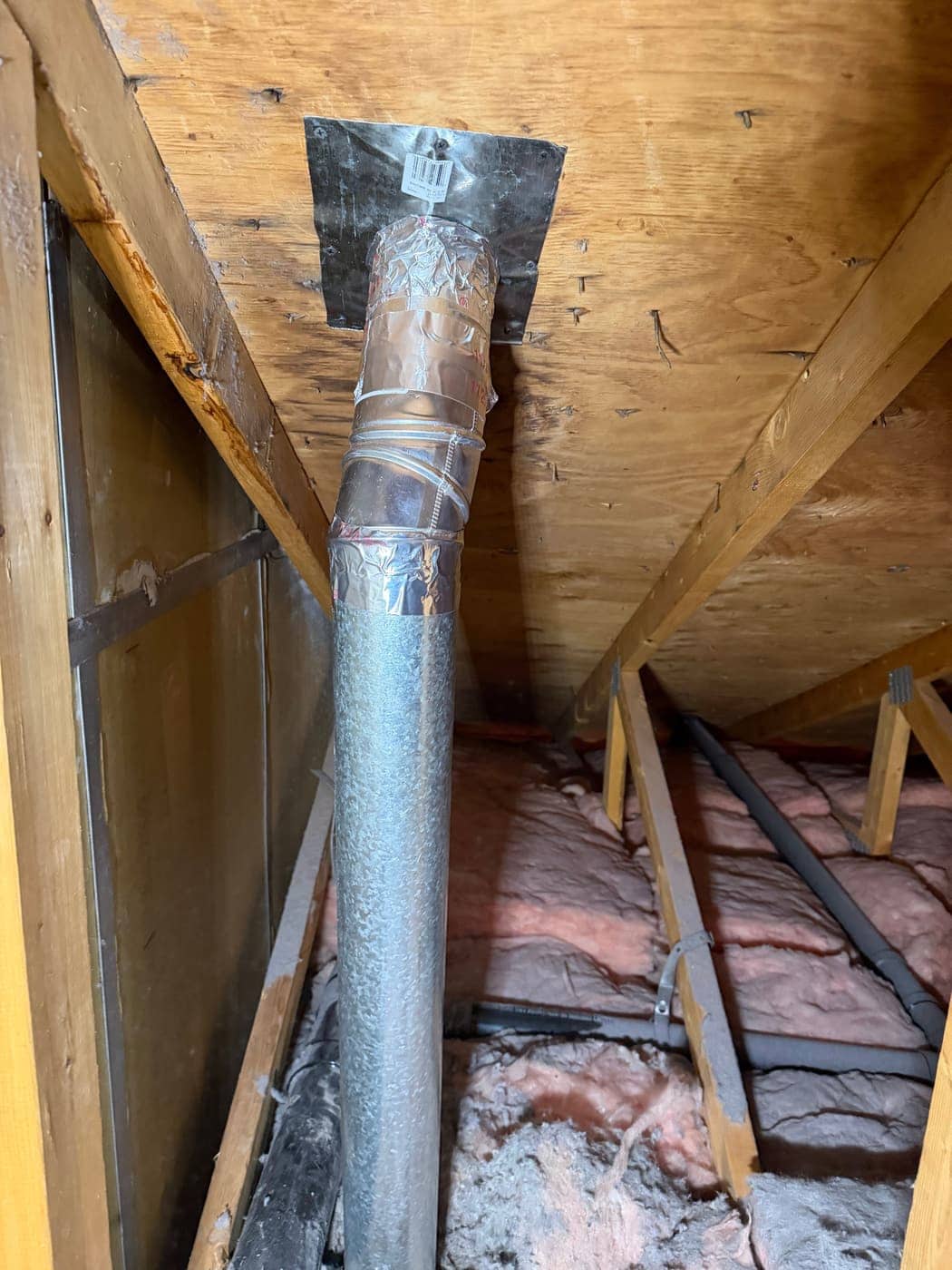
A run of flexible duct flattened where it crosses a floor joist, pinched enough to choke off airflow to the room it feeds.

Why one room never keeps up

In a house built around central forced air, every room depends on one duct system holding together end to end, out of sight, for decades. A branch crushed under a joist, a collar that finally lets go, a joint somebody sealed with tape rather than mastic — none of it announces itself at the register. It just shows up as a bedroom that never quite gets warm, or a gas bill that keeps climbing for no reason anyone can point to.

Why Cherry Hill’s Own Ductwork Is Due for a Look

The median house in Cherry Hill Township was built in 1968, and 72.8 percent of the township’s 30,775 homes went up before 1980 — colonials, ranches, and split-levels built across old Delaware Township farmland as the postwar subdivisions filled in around the new mall. Nearly all of that stock runs central forced air, and the ductwork under the floors or through the attic is the same age as the house above it. Two faults account for most of what goes wrong: a flexible branch crushed flat where it crosses a joist, or one that has worked loose at the metal collar it was pushed onto decades ago.

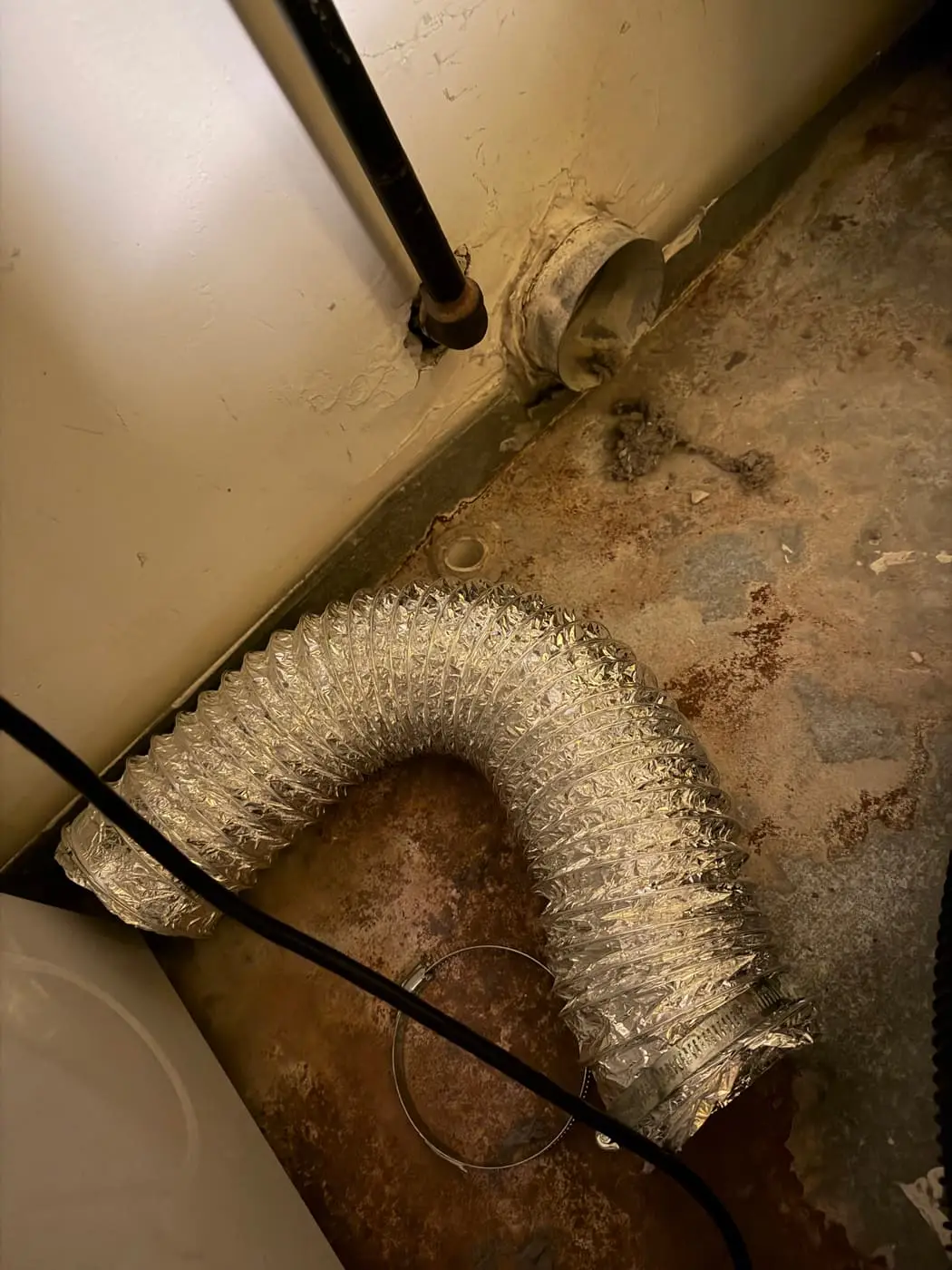
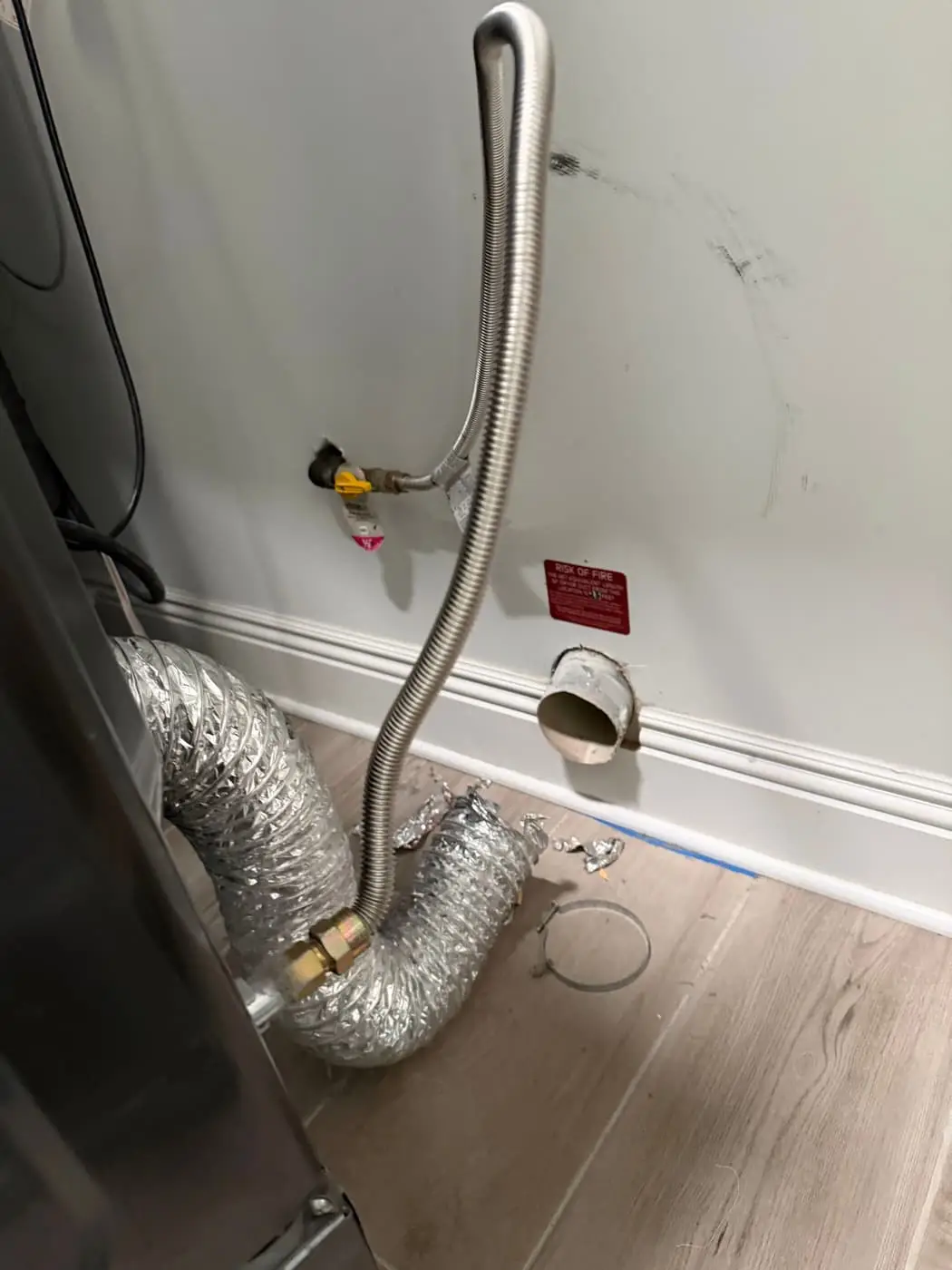
  • A branch pushed onto its metal collar and held with nothing but a strap works loose after enough winters of the furnace cycling on and off
  • The register still moves some air even after the branch lets go, which is exactly why nobody notices for a season or two
  • In a crawlspace or an unfinished corner of the basement, that branch can sit disconnected for years without anyone going near it
Interior of a Cherry Hill home’s supply duct, photographed through an access panel to show the seam in the liner.

A bedroom that stays cold all January is not a thermostat problem. Nine times out of ten, it’s a duct that came apart somewhere between the furnace and the register.

What Actually Happens on a Repair Visit

The same four steps, whether the job is one bedroom or a system that has never been sealed at all.

  • The run gets followed by hand, from the plenum or trunk out to the register, through whatever attic or crawlspace it actually travels
  • A small camera goes into the branch first wherever the space is too tight to follow by eye
  • Anything crushed, split, or pulled apart gets cut out and replaced at the right length, never taped over the shape of the fault
  • Every joint we open gets sealed with mastic and a mechanical fastener, then strapped so it cannot sag back into the same spot

Repair in Place, or Replace the Whole Run?

Most of what turns up in a Cherry Hill crawlspace or attic gets repaired rather than replaced — the duct itself is sound, it just needs reconnecting, resealing, or rerouting around whatever it has been fighting. Whole-run replacement comes up more on the county’s newer subdivision stock: Voorhees Township, median house year 1983, and Gloucester Township, whose median house dates to 1979 with the 1970s alone its single largest building decade — both from the years flexible duct became standard for running supply air through a truss attic. That material has a shorter service life than the house around it, and by its third or fourth decade it can go brittle enough to split further just from being handled. When that is what we find, we say so first, and price the run itself rather than another patch.

  • Sound duct gets reconnected and resealed, not swapped out for the sake of it
  • Brittle flexible duct from the county’s 1970s-80s subdivision wave gets cut out and replaced at the correct length
  • A full system replacement, on the rare house that actually needs one, gets scoped and shown to you before it’s booked
A newly run length of insulated flexible duct, clamped and strapped at a sheet-metal takeoff after a replacement.

The Leak That Never Shows Up as a Cold Room

A crushed run at least announces itself — a bedroom that will not warm up by February is hard to miss. A leaking joint is quieter. Warm air keeps moving into a crawlspace or an attic every time the furnace runs, the thermostat is satisfied because it only measures the room it hangs in, and the one place the loss shows up is the gas bill, which few households track closely enough to notice. In Cherry Hill Township, 81.3 percent of occupied households report utility gas as their primary heating fuel, and a furnace fighting three or four unsealed joints simply runs longer to hit the same setpoint — heating a joist bay nobody lives in. Sealing every joint we can reach, on the same visit, is what makes a repair also stop paying to heat empty space.

From recent jobs around Camden County

What Gets Found, and What Gets Left Behind

  • A wall supply register in a Cherry Hill home, checked for airflow after the branch behind it was repaired.

    A supply register checked for airflow once the branch feeding it was reconnected

  • A small inspection camera monitor showing the inside of a duct branch before a repair begins.

    The camera screen partway into a branch run, before any cutting starts

  • Torn duct insulation and loose debris found around a disconnected crawlspace duct joint.

    Torn insulation and debris pulled from a crawlspace run before replacement

  • A newly strapped and sealed duct run replacing a crushed section in a Cherry Hill attic.

    The replacement section, strapped and sealed at every joint

What Cherry Hill Customers Say

5.0

15 reviews on Google

Read on

  • 5 stars15
  • 4 stars0
  • 3 stars0
  • 2 stars0
  • 1 stars0

Alessia Fiori

The technician showed me exactly what he was doing, step by step, while he worked. It was really interesting to look inside the flue with his tablet camera. Very open service!

Samuel Dean

I have an ancient farm home with an unlined brick chimney. They cleaned the soot away with soft brushing without disturbing any of the ancient interior mortar joints.

Cora Laskey

The tech pointed out a small fracture in our firebrick that I would have overlooked entirely. Patched it up there for a very fair amount.

Read all 15 reviews on Google

Duct Repair Questions From Camden County Homeowners

How do you find a disconnected duct if the register still blows air?

By following the run rather than testing at the grille. A branch pulled off its metal collar usually still leaks a little air past the gap, so the register keeps moving enough to fool a quick check. We trace the duct from the plenum to the room in question until we find the break.

Can a crushed duct just be taped instead of replaced?

Tape holds for a season or two and then fails in the same spot, because the problem is the shape of the duct, not a hole in it. Once a flexible run has been pinched flat against a joist, we cut out that section and replace it, supported so it cannot sag back the same way.

Do you repair metal duct as well as flexible duct?

Yes. Sheet-metal trunk and branch lines get the same treatment — joints resealed with mastic rather than cloth tape, and any section rusted through or pulled apart at a seam cut out and replaced. Flexible duct simply fails more often here because more of the housing stock runs it into individual rooms.

Should duct repair happen before or after duct cleaning?

Before, if both are needed. A leaking or disconnected duct gets repaired first, since a system pulling air in through an open joint undoes part of what a cleaning accomplishes. Where a house needs both, we seal first rather than clean around the problem.

How do I know if my house needs a repair or a full replacement?

Most of what we open up gets repaired in place. Full replacement comes up mainly on older flexible duct gone brittle enough to split when handled, or where the layout is routed so badly that fixing it in place would only fail again nearby. We photograph what we find and explain which one your house needs before work starts.