
Wood stove, insert and gas fireplace service in Cherry Hill, NJ
This service is about the appliance itself, a wood insert with a sticking damper and a tired gasket, or a gas log set whose pilot will not stay lit. We test pilots and thermocouples, service dampers and door gaskets and sweep wood-burning units, all from our Cherry Hill base.
In brief
We take care of the fireplace or stove as well as the chimney above it. Wood inserts and stoves get swept, gas log sets that will not stay lit get their pilot and thermocouple tested, and sticking dampers or flattened gaskets are freed or replaced. Census heating data only records the main fuel each household uses, and in Camden County wood is the main fuel in barely any homes. That number says nothing about the fireplace lit on winter weekends or the gas insert used for an evening glow, and those still need regular care.
Why the census misses most fireplaces
The Census Bureau asks each household one question about heat, which fuel it uses most. In Camden County about 74 percent answer gas and only a tiny fraction answer wood. Those answers cannot show the wood stove that helps out a gas furnace, the gas insert added for ambience or the masonry fireplace lit a handful of nights each winter. Every one of those appliances is left out of the count, and every one still needs the same attention.
- Wood inserts and freestanding stoves
- Gas log sets and gas inserts
- Factory-built, zero-clearance metal fireplaces
- Open masonry fireplaces used now and then
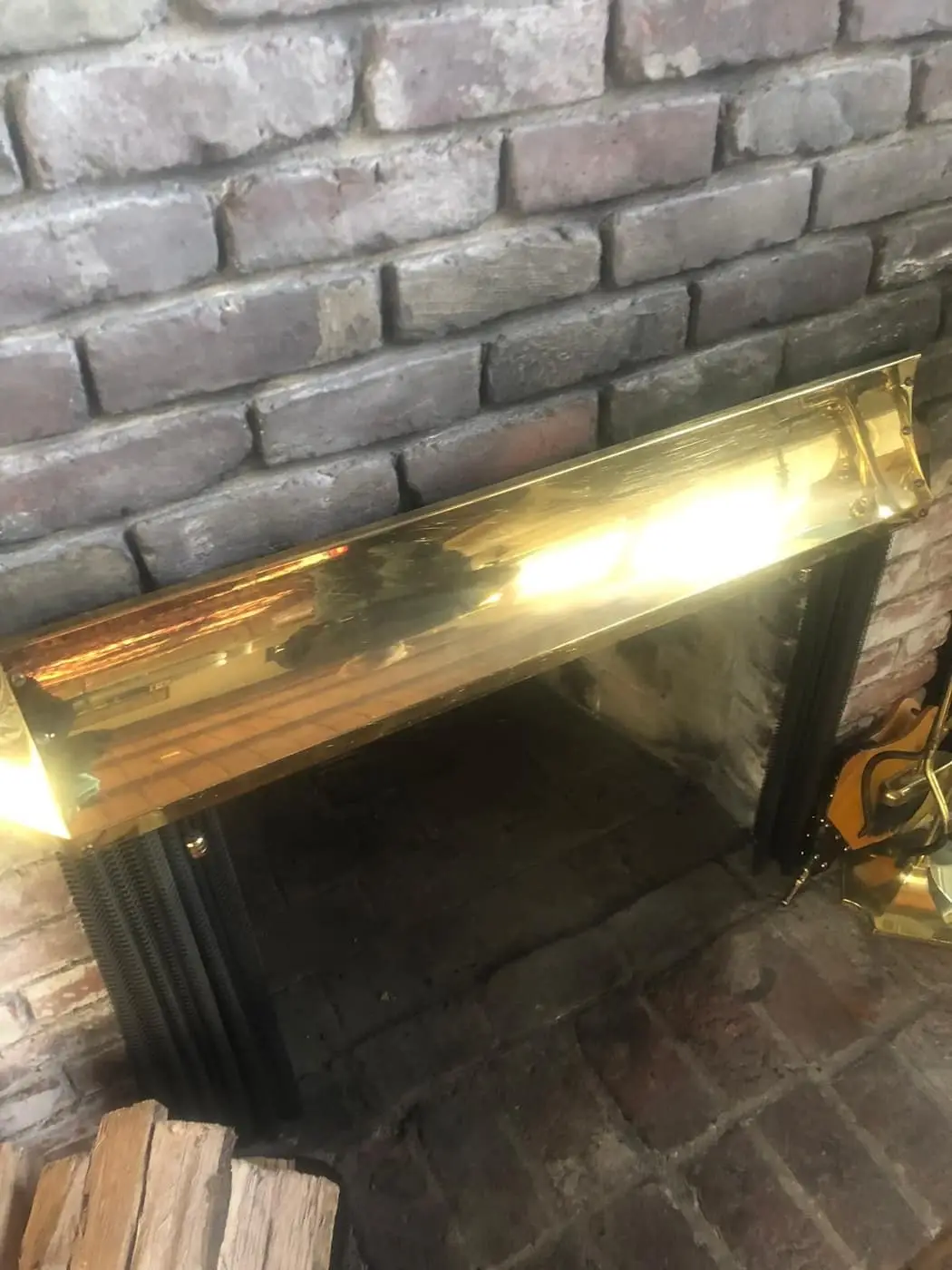
The survey asks what heats your house all winter. It never asks what you light on a cold Saturday night.
Pilots, thermocouples and gas log sets
When a gas log set lights and then goes out as soon as you let go of the knob, the thermocouple is the usual cause. It is the small sensor that tells the gas valve a pilot flame is present. We check the pilot flame, measure the thermocouple's output and replace it when it reads low, and we clean or replace the pilot orifice if soot has narrowed it. On standing pilot systems we also check the gas valve for a slow leak, which can leave a gas smell even when the pilot seems to be out.
Dampers and gaskets on wood-burning units
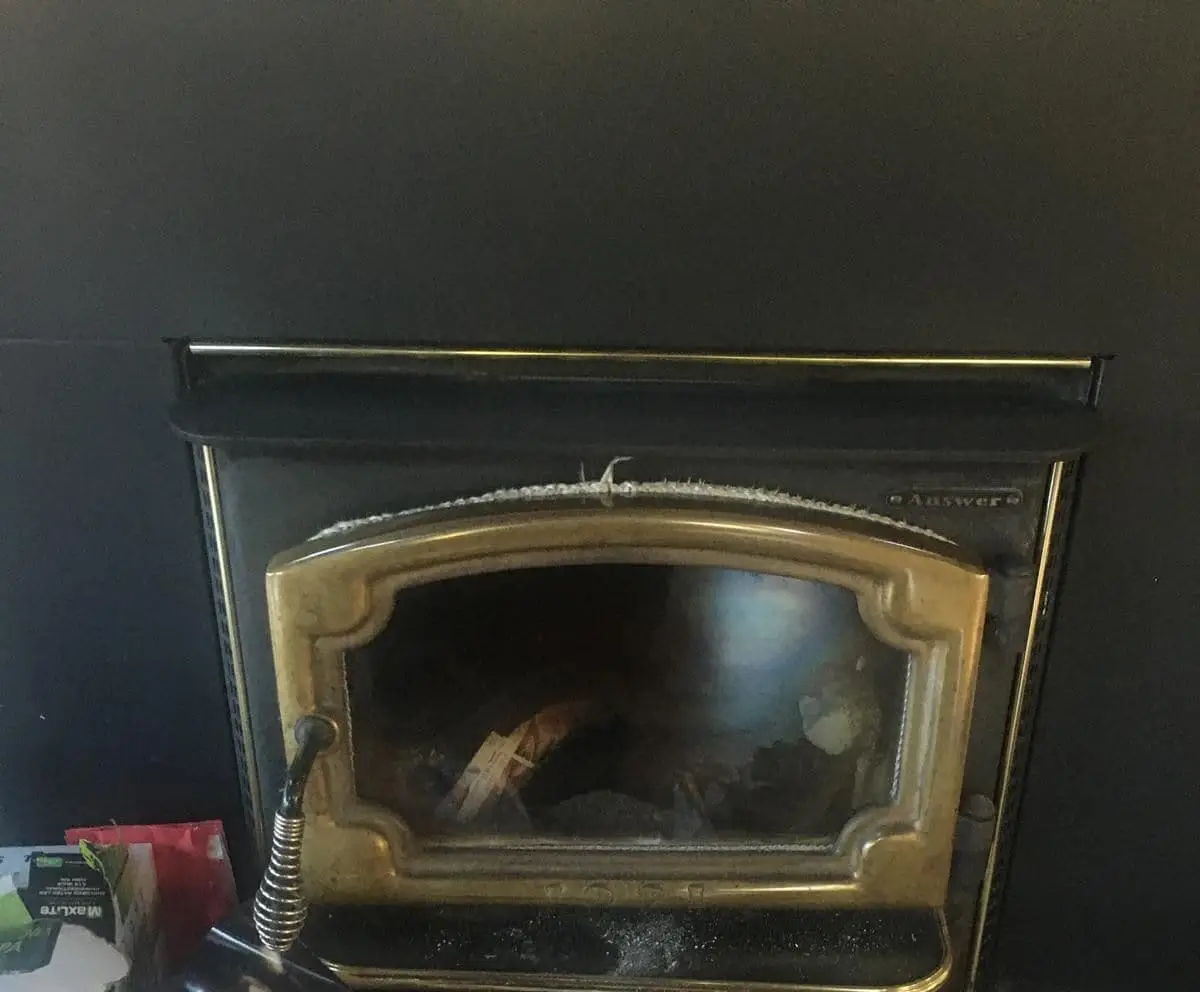
A damper that will not close lets heated air escape up the flue all day, and one that will not open sends smoke into the room as soon as a fire gets going. We free dampers that have rusted or warped and reset the plate so it seals evenly. On inserts and stoves the door gasket wears out quietly. Once the rope flattens, extra air slips in, the fire burns hotter than it should and wood disappears faster, with nothing obvious to tell you why.
- Throat dampers and top-sealing plates adjusted or replaced
- Rusted or warped dampers freed and reset to seal
- Door and glass gaskets replaced on inserts and stoves
- The flue collar and connector pipe checked where the stovepipe meets the chimney
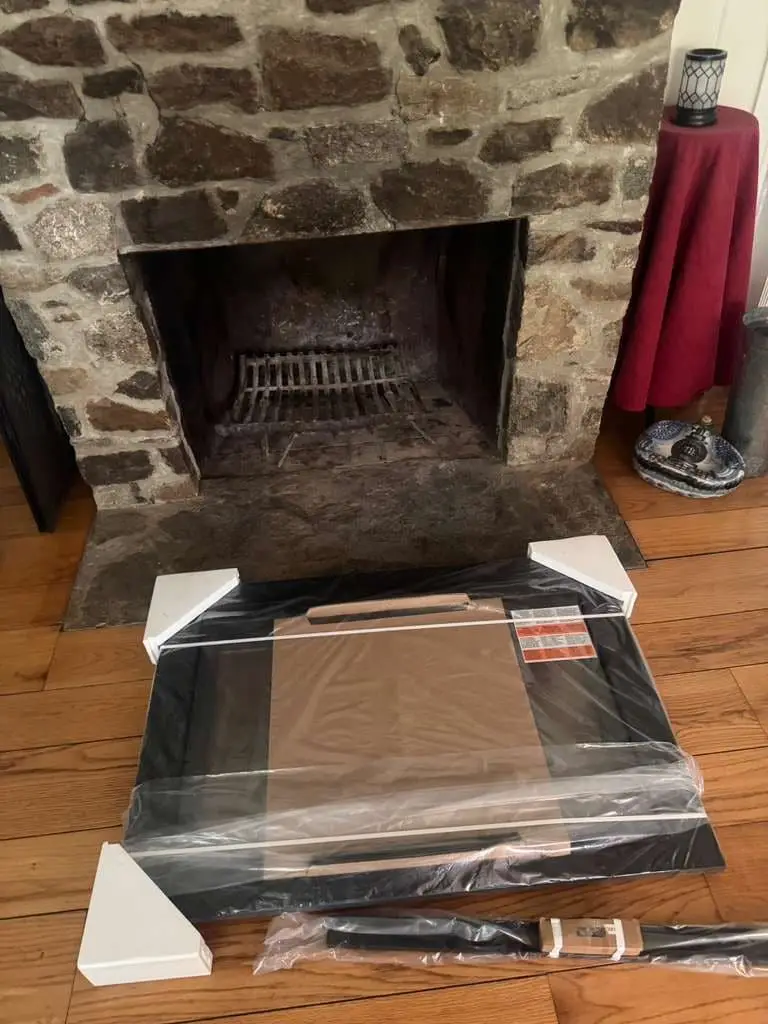
The appliance and its flue on one visit
NFPA 211 calls for chimneys and connector pipes to be inspected at least once a year, and the NFPA identifies failure to clean, mostly creosote from solid fuel, as the leading contributing factor in home heating fires. So every wood stove visit includes a look inside the flue as well as at the stove. A stove with spotless glass can still vent into a flue that has not been swept in years. A gas log set gets the same pairing for a different reason, since its exhaust is cooler and wetter than wood smoke, and a flue lined for the old appliance may not suit the new one.
From Royal Chimney's Google listings
Fireplaces and fireboxes as we find them
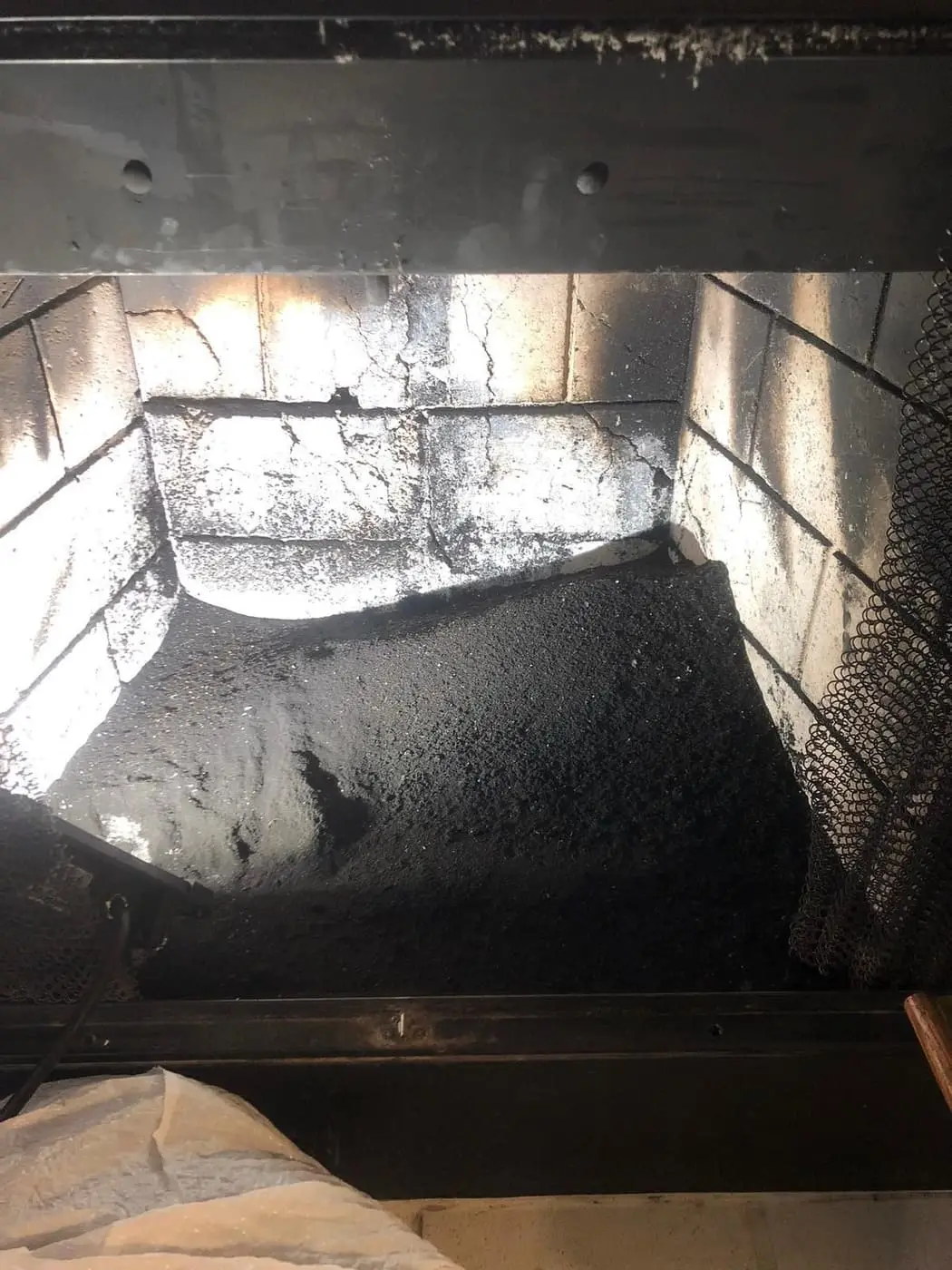
Soot gathered on the floor of a metal-framed fireplace
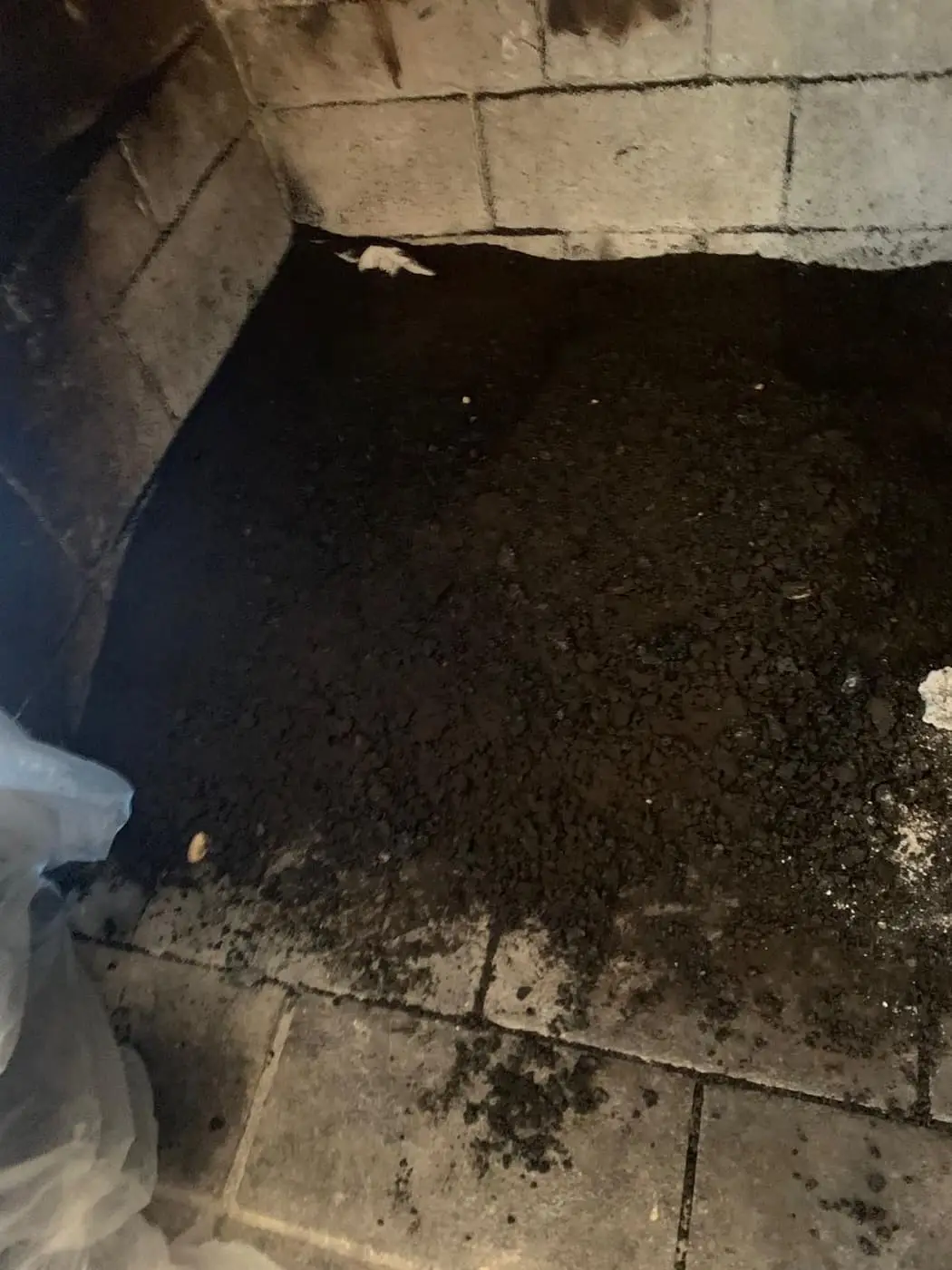
Fallen soot and debris in a firebox, with plastic over the opening
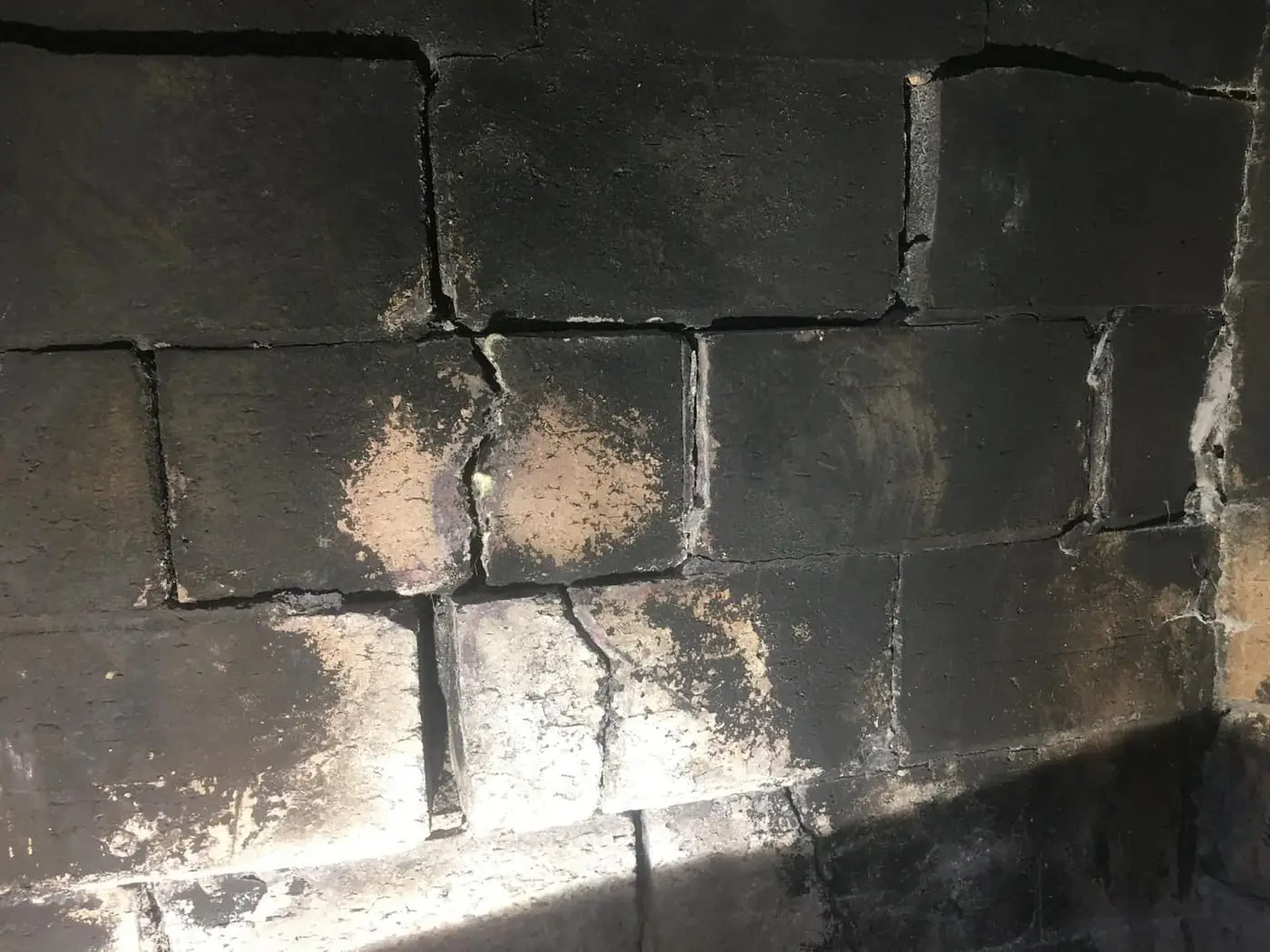
Cracked, soot-stained firebrick inside a fireplace
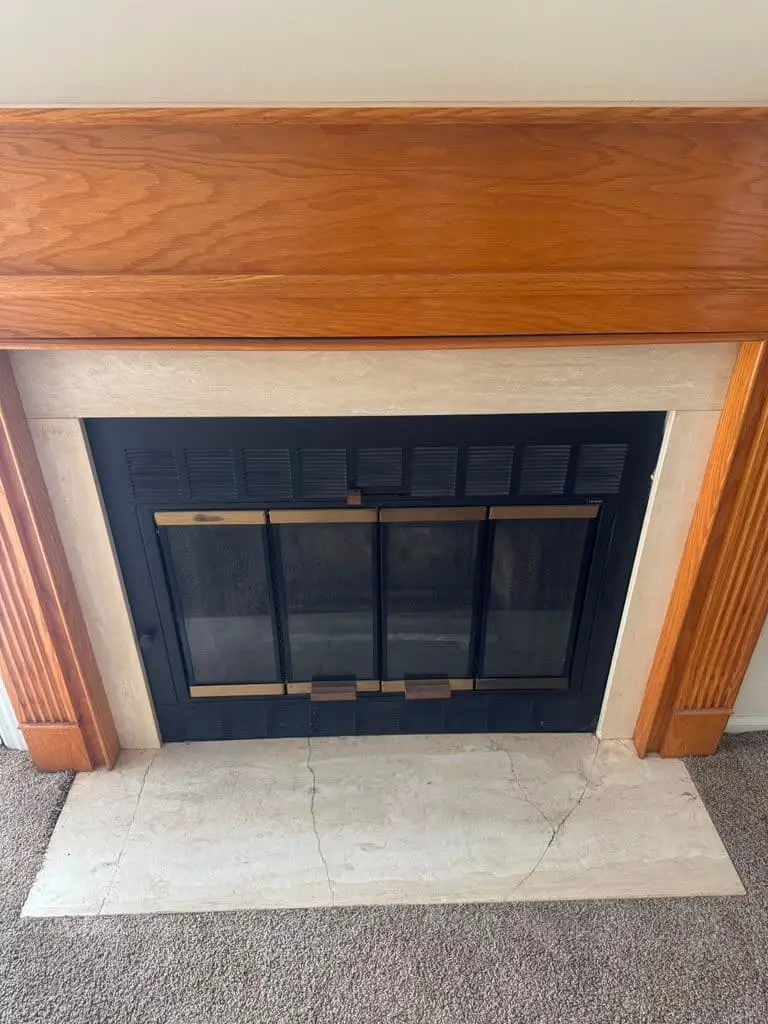
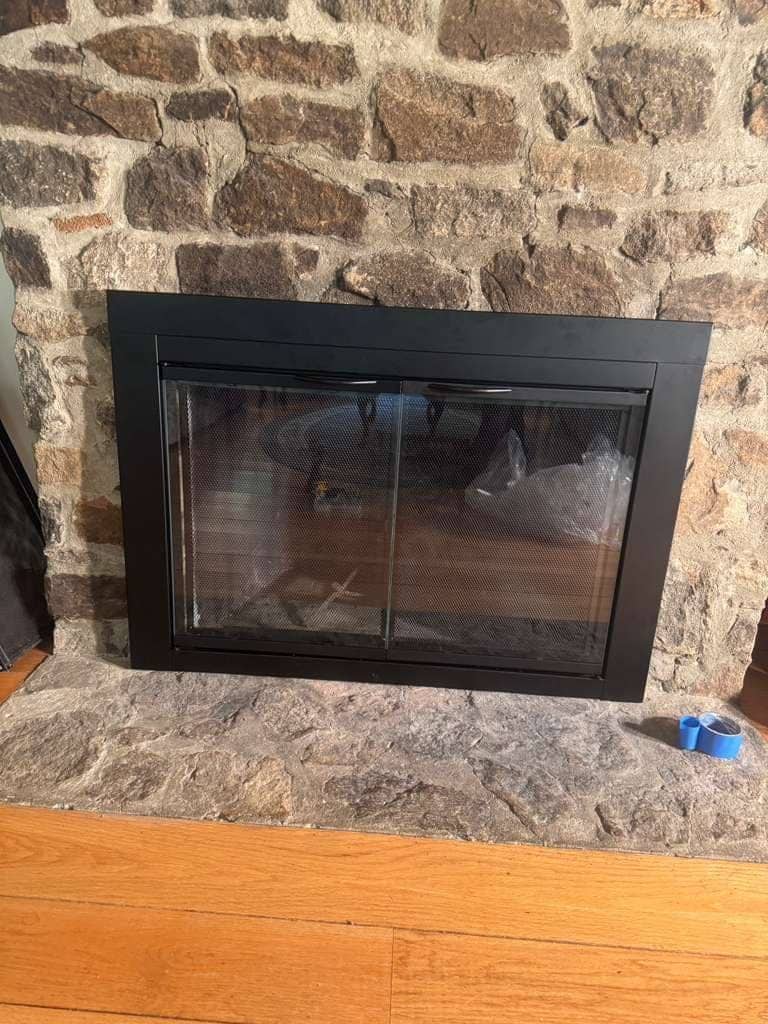
Black glass fireplace doors under an oak mantel
Reviews from our Google listing
A selection of our 5-star reviews on Google.
Polishing the ceramic glass and unblocking the air-wash intake passages turned our heavily used woodstove back into an effective heat source.
Static-cling barriers locked the aperture tight, so that high soot agitation inside the top flue never wandered into the next-door kitchen.
The entire sweep was completed with engineering precision and purity never before witnessed from meticulous pre-setup to HD inside camera feature.
Fireplace and stove questions
Do you service gas fireplaces as well as wood ones?
Yes. Gas log sets get their pilot and thermocouple tested, wood inserts and stoves get swept, and dampers and gaskets are serviced on both.
We only use the fireplace a few times a year. Does it still need checking?
Yes. NFPA 211 recommends a yearly inspection whatever the use, and a fireplace that sits idle collects nests and debris.
Does a gas log insert need its chimney swept?
It needs a different check. For a gas flue we look at the venting, any blockage and the condition of the liner rather than creosote.
Can you replace the door gasket on a wood stove?
Yes. We replace door and glass gaskets on inserts and stoves during the same visit. It is routine maintenance.